


Industry Insights, Inspiration Hub
Beyond the Fold: How Pop-Up Mechanics are Changing Home Lighting
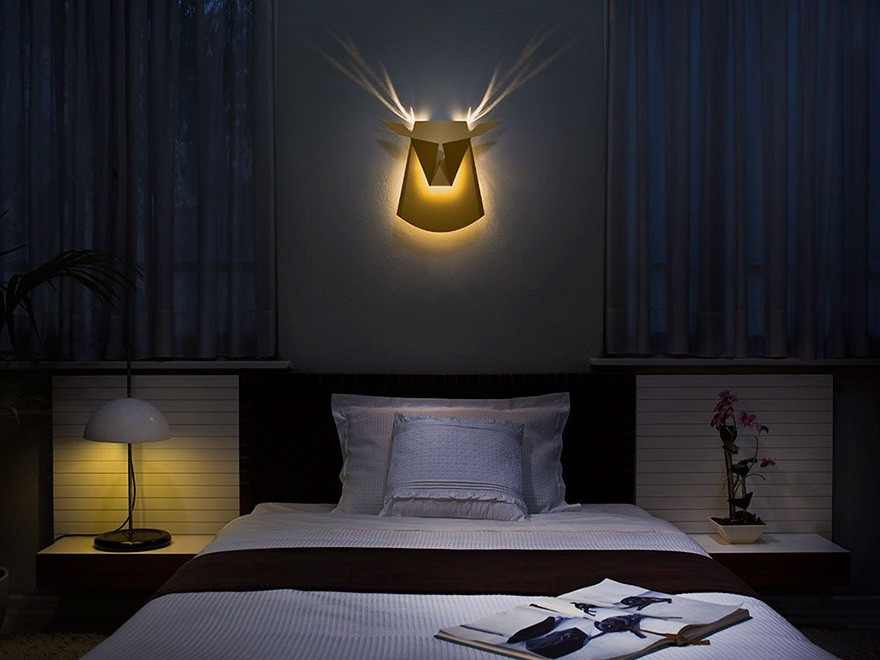
Home lighting is evolving beyond pure functionality into a space of artistic expression and immersive experience. Among the most exciting innovations shaping this transformation is the application of pop-up mechanics, a design approach inspired by paper engineering, kinetic structures, and folding architecture.
By enabling lampshades and lighting structures to expand, collapse, or transform, pop-up mechanics introduce movement, interactivity, and sculptural beauty into lighting design. Instead of static, rigid forms, lighting products become dynamic objects that engage users visually and emotionally.
This shift aligns with growing consumer demand for aesthetic distinction, sustainable materials, and design innovation. As a result, pop-up lighting is emerging as a defining direction in contemporary home and decorative lighting.
What Are Pop-Up Mechanics in Lighting Design
Pop-up mechanics in lighting refer to structural systems that allow lighting components to fold, expand, or reconfigure through engineered joints and layered surfaces. This approach originates from disciplines such as pop-up book design, paper engineering, kinetic art, and modular architecture.
What Are Pop-Up Mechanics in Lighting Design
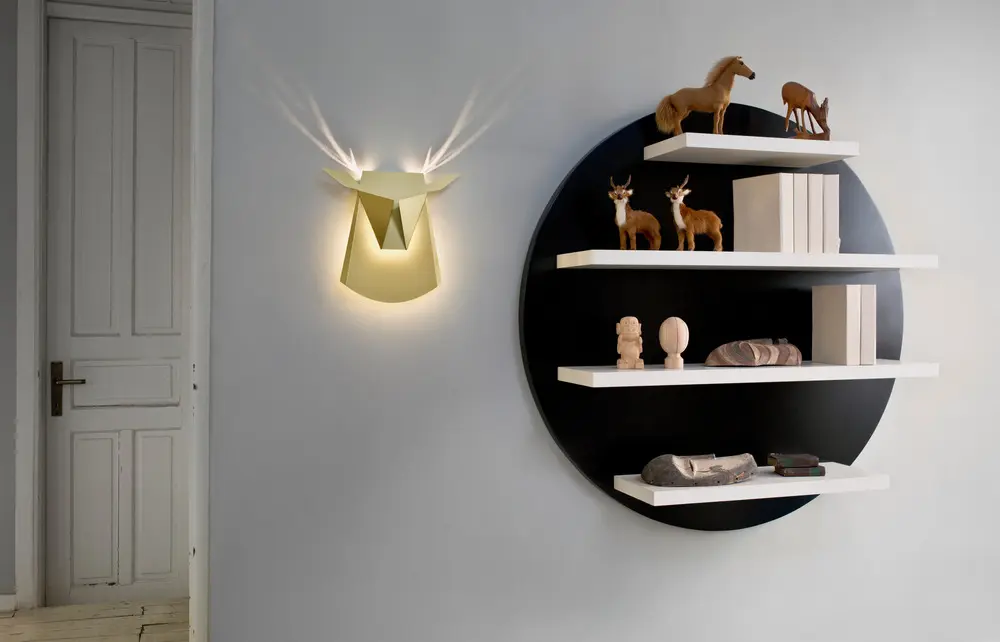
In lighting applications, pop-up structures are used to create expandable lampshades, transformable pendant lights, and sculptural luminaires that change form depending on interaction or illumination. These designs turn lighting fixtures into experiential objects rather than purely utilitarian products.
Compared to conventional rigid lampshades, pop-up lighting offers greater flexibility, lighter visual weight, and a more interactive presence, redefining how light is perceived within a space.
Why Pop-Up Lighting Is Gaining Popularity in Modern Homes
The rise of pop-up lighting reflects broader shifts in consumer behavior. Modern homeowners increasingly seek products that provide storytelling, customization, and emotional engagement rather than only function.
Interactive and transformable décor has become more desirable as users gravitate toward unique, visually compelling interior elements. Social media platforms and design communities amplify this demand by promoting visually striking and innovative home aesthetics.
By combining artistic value, functional lighting, and user interaction, pop-up lighting appeals to consumers who value originality, design-forward thinking, and experiential living.
The Role of Innovative Lampshade Materials
The advancement of innovative lampshade materials has been instrumental in enabling pop-up lighting structures. Materials such as engineered paper, molded fiber, lightweight composites, and textile hybrids allow designers to create flexible yet durable lampshades capable of repeated folding and reshaping.
Compared to traditional materials like glass, metal, and rigid plastic, these modern alternatives offer advantages in weight reduction, sustainability, lower carbon footprint, and cost efficiency. More importantly, they support complex foldable forms without compromising safety or longevity.
Through the use of innovative lampshade materials, lighting designers can achieve a balance between visual elegance, technical performance, and environmentally conscious production.
Paper Lighting Design Trends 2026
Looking ahead, paper lighting design trends 2026 indicate strong growth in fiber-based lighting solutions and sculptural paper luminaires. Designers are increasingly embracing paper engineering to craft expandable, modular, and motion-inspired lampshades.
Trends include paper sculptural lamps, modular paper shade systems, and layered fiber lighting that enhances texture and depth. These movements align with sustainability goals, minimalist interior aesthetics, and eco-conscious consumer preferences.
Over the next three to five years, paper-based lighting is expected to become a major segment in the home décor and lighting industry, especially among brands prioritizing environmental responsibility and refined design.
How Pop-Up Mechanics Transform Light Diffusion
Pop-up structures significantly influence how light spreads within a space. Folded layers, expandable surfaces, and geometric openings create effects such as soft diffusion, shadow play, and layered illumination.
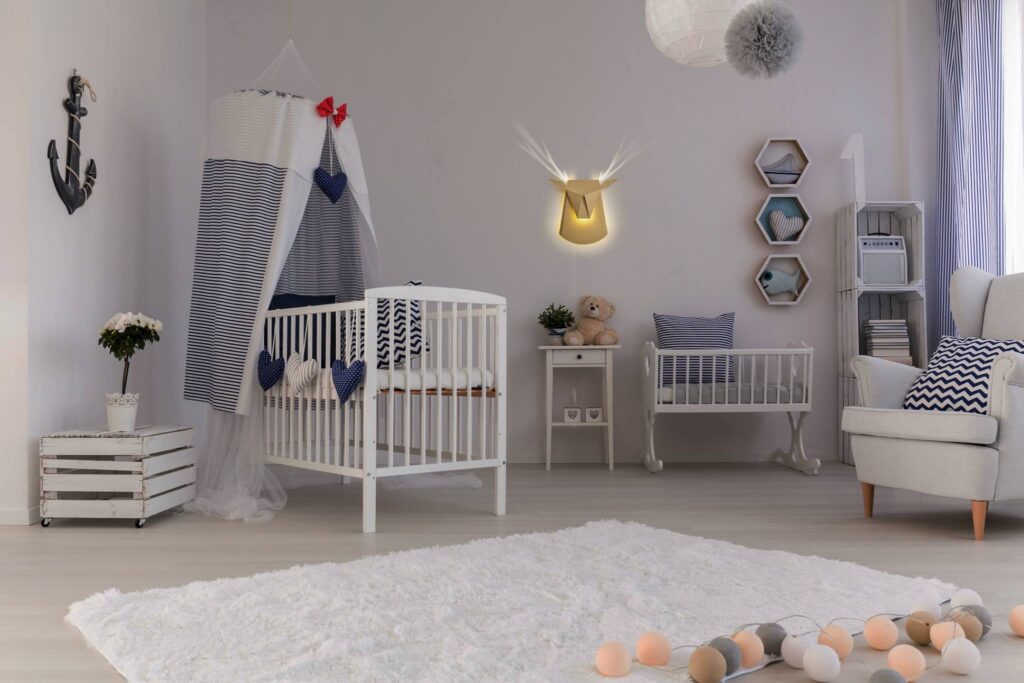
Unlike traditional lampshades that emit light in fixed directions, pop-up lampshades offer dynamic control over light distribution, enhancing depth and visual interest. This capability makes them ideal for creating an engaging ambient lighting display, where light becomes a mood-setting and spatial design element.
How Pop-Up Mechanics Transform Light Diffusion
These lighting solutions are particularly effective in living rooms, bedrooms, cafés, galleries, and display environments where atmosphere and visual storytelling matter.
Design Flexibility and Customization Benefits
One of the strongest advantages of pop-up lighting is its high degree of design flexibility. Lampshade size, structure, folding angles, and expansion levels can be customized to suit different interior styles and spatial requirements.
This flexibility supports limited-edition collections, small-batch production, and bespoke lighting solutions, making pop-up designs highly attractive for B2B projects such as hospitality spaces, retail interiors, and branded environments.
Beyond functionality, pop-up mechanics also serve as a storytelling medium, transforming lighting fixtures into expressive design narratives that reinforce brand identity.
Engineering Challenges in Pop-Up Lighting Structures
Despite its aesthetic appeal, pop-up lighting presents technical challenges related to fold durability, joint strength, thermal safety, and long-term stability. Repeated folding can place stress on materials, requiring careful engineering to maintain performance over time.
Prototyping and testing play a crucial role in optimizing structural integrity, ensuring that foldable elements maintain both beauty and function. Structural paper engineering helps designers reinforce key stress points while preserving lightweight characteristics.
These challenges encourage innovation, pushing brands to refine craftsmanship and develop proprietary structural solutions.
Sustainability Advantages of Foldable Lighting Designs
Foldable lighting designs offer notable sustainability benefits by reducing material usage while maximizing structural efficiency. Intelligent folding systems allow designers to achieve strong, sculptural forms with minimal raw material consumption.
Another advantage lies in logistics. Flat-packable lighting products require less packaging space, reduce transportation emissions, and lower shipping costs. Additionally, many pop-up designs incorporate recycled, biodegradable, or low-impact materials, aligning with circular design strategies.
As sustainability becomes a core market expectation, pop-up lighting represents a forward-looking solution for environmentally responsible design.
Applications in Home Décor and Interior Styling
In residential interiors, pop-up lighting functions as both a lighting source and an artistic centerpiece. Sculptural lampshades add visual depth to living rooms, bedrooms, and dining areas, creating elegant focal points.
These designs pair well with Scandinavian, Japandi, Minimalist, and Contemporary interior styles, where simplicity and form-driven aesthetics are prioritized. Through refined ambient lighting display, pop-up lamps enhance atmosphere, warmth, and emotional comfort within living spaces.
Conclusion: Beyond the Fold, Beyond Traditional Lighting
Pop-up mechanics are redefining home lighting by transforming lamps into dynamic, sculptural, and interactive design elements. Supported by innovative lampshade materials, guided by paper lighting design trends 2026, and driven by demand for immersive ambient lighting display, foldable lighting represents a compelling direction for the future of décor and illumination.
For brands, designers, and buyers, now is the time to explore new lighting possibilities, request product samples, review design catalogues, and invest in lighting concepts that push beyond traditional form.
Read more: The Paper to Product Journey: From Sketch to Hand-Assembled Masterpiece
 3D Facility Virtual Tour
AUTHOR
Hana Phung
As the co-founder and Vice Director of HMG, Hanna Phung stands at the forefront of a decade-long journey dedicated to bringing joy through innovative pop-up card designs. With her visionary leadership, Hanna, alongside her accomplished team, has crafted ...Read More
BLOG
Maybe You Are Interested
Bringing the Story of Vietnamese Craftsmanship to an International Trade Fair in Hong Kong
A small pop-up card, light enough to sit in the palm of a hand, yet...
Read more...Appreciation Into a Memorable Brand Experience with 3D Popup Card
As the year comes to a close, businesses naturally begin looking back at what they...
Read more...HMG Celebrates Children’s Day 2026 with Gifts for Employees’ Children
At HMG, we believe that a caring workplace extends beyond our employees to the families...
Read more...HMG Spring–Summer 2026 Strava Running Challenge
At HMG, we believe that a healthy team is the foundation of a thriving organization....
Read more...HMG Annual Health Check 2026 – Investing in Employee Well-being for Sustainable Growth
At HMG, we believe that our people are the foundation of every achievement and the...
Read more...HMG Year End Party 2025 – Celebrating Our Journey, Inspiring the Future
As another remarkable year came to a close, HMG proudly hosted its Year End Party...
Read more...