



Industry Insights, Inspiration Hub
Why Brands Choose HMG as Their Business Cards Manufacturer for Custom 3D Cards
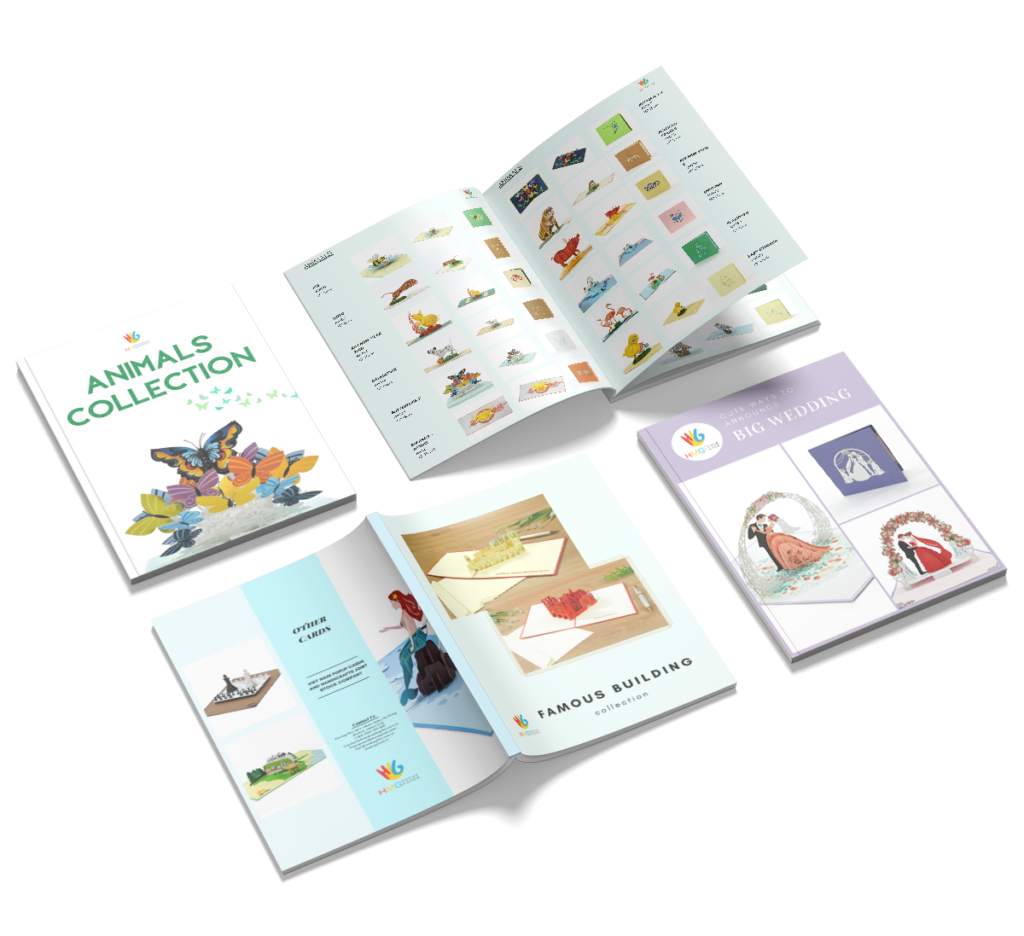
In today’s hyper-competitive corporate arena, digital saturation makes physical brand touchpoints exceptionally valuable. Professionals return from global summits with stacks of identical, uninspired rectangles that quickly end up in the recycling bin. To disrupt this sensory monotony, visionary brands are abandoning flat printing and embracing three-dimensional structural paper design. Executing sophisticated tactile marketing requires the specialized expertise of a master business cards manufacturer proficient in complex paper engineering and high-volume precision assembly. For global enterprises, HMG is the definitive partner in this specialized niche. By transforming simple stationery into dynamic, interactive mechanical sculptures, HMG empowers brands to physically demonstrate their innovation, superior quality, and creative excellence from the very first handshake.
The Evolution of Corporate Networking and the 3D Revolution
To fully appreciate the necessity of an advanced structural business cards manufacturer, one must first analyze the historical trajectory of professional networking tools and the psychological limitations of the current standard. The modern marketplace operates at a breakneck speed, meaning the window of opportunity to make a lasting impression has shrunk to mere seconds.
Overcoming the Limitations of Traditional Flat Print
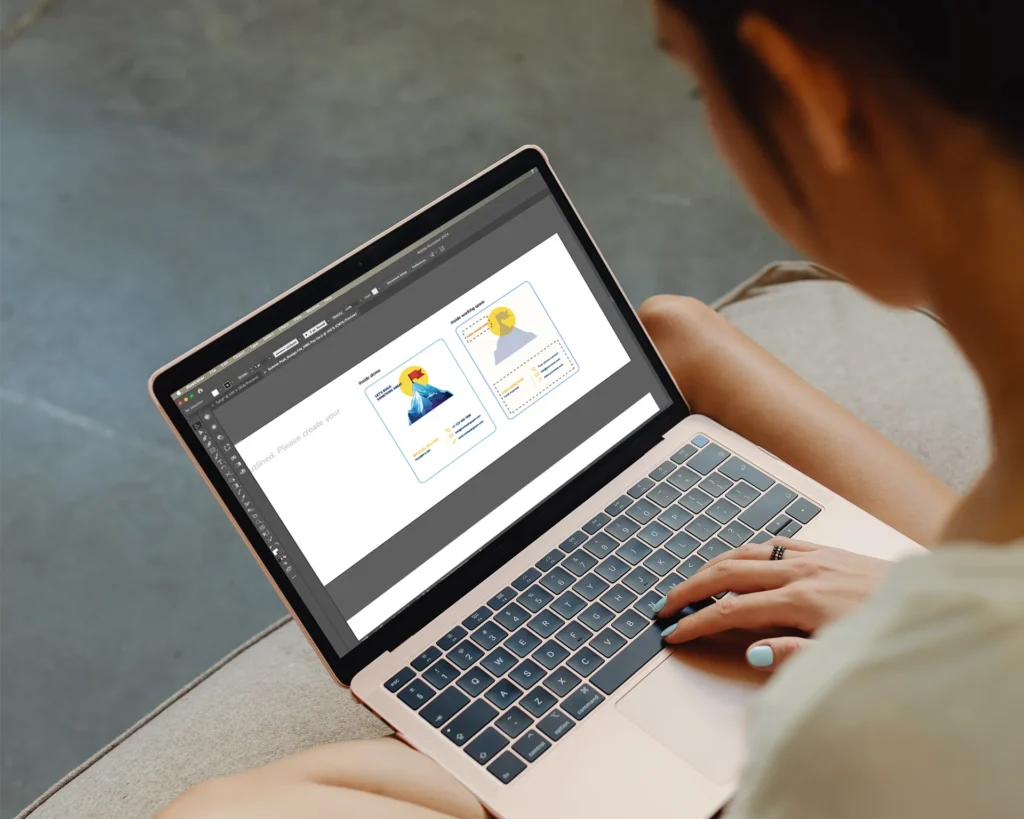
For decades, the standard corporate introduction relied heavily on two-dimensional print methods, focusing purely on graphic design, color theory, and typography to convey a brand’s identity. While a high-quality flat card can certainly look elegant, it fundamentally fails to physically engage the recipient. It asks nothing of the user other than a passing glance before being pocketed or filed away. As markets have become hyper-competitive, this passive interaction is no longer sufficient to secure top-of-mind awareness. Brands have realized that they cannot simply tell a prospect about their innovative nature; they must physically demonstrate it. When a company partners with a specialized visiting card manufacturer capable of producing complex three-dimensional structures, they instantly disrupt the recipient’s expected routine. The act of opening a card and watching a meticulously crafted paper structure rise from the center crease forces the recipient to pause, engage, and marvel at the mechanical ingenuity. This unexpected disruption of the networking norm is the precise moment when passive observation transforms into active engagement, setting the foundation for a highly memorable professional relationship.
Overcoming the Limitations of Traditional Flat Print
The Psychology Behind Tactile Engagement and Structural Design
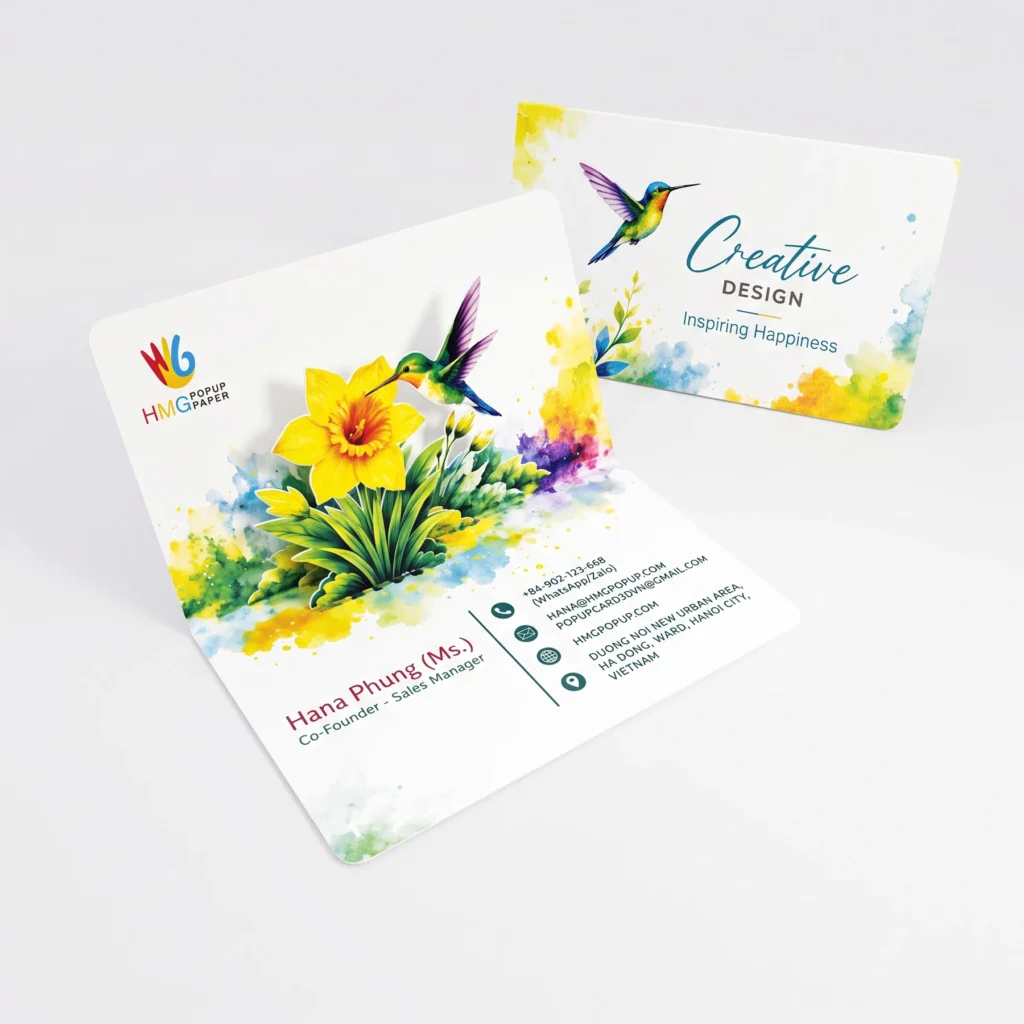
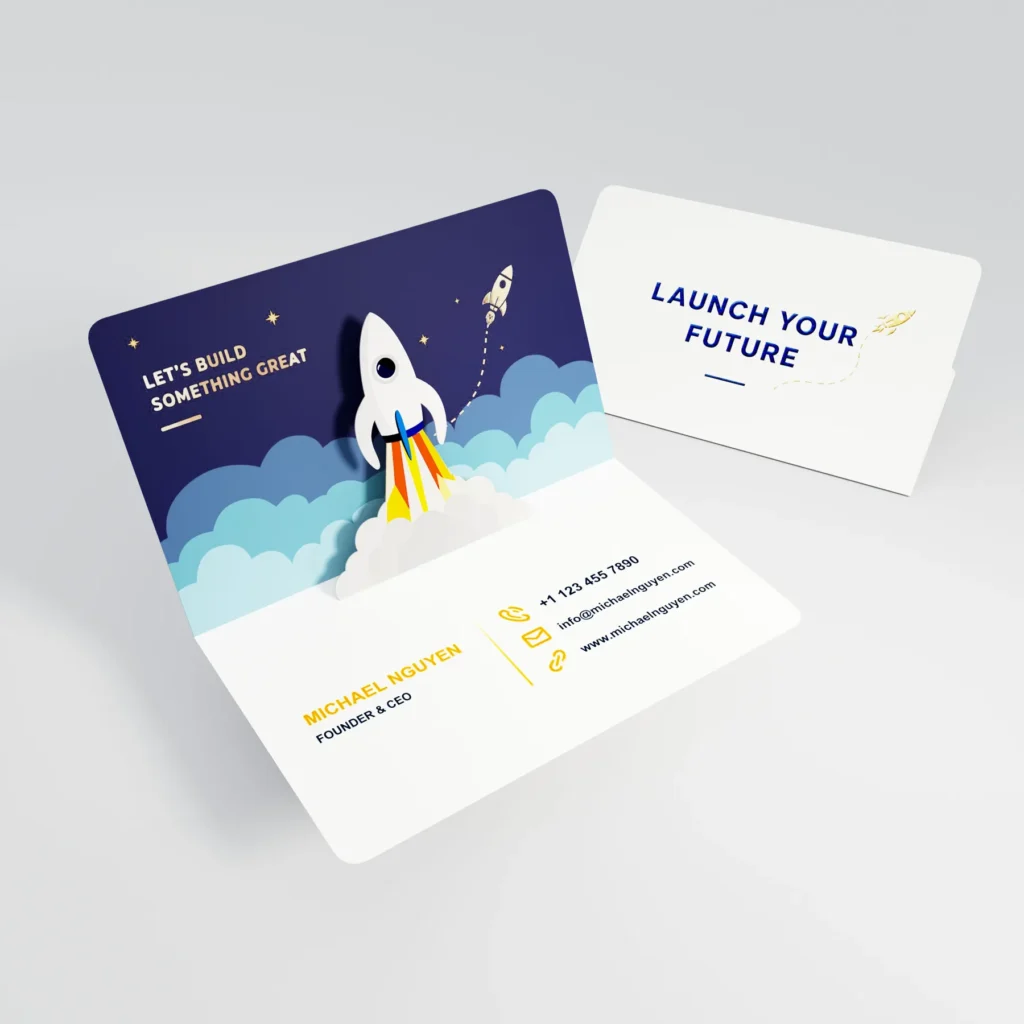
The human brain is remarkably wired to prioritize and remember tactile, multi-sensory experiences far more effectively than flat visual data. Cognitive psychology dictates that when an individual physically interacts with an object—feeling its weight, manipulating its moving parts, and observing its spatial dimensions—they form a significantly stronger neurological connection to the associated memory. HMG leverages this profound psychological principle by designing custom 3D pop-up cards that serve as miniature interactive experiences. When a prospect opens an HMG creation, they are not just reading contact information; they are experiencing a brief moment of architectural theater. This spatial interaction triggers a sense of delight and curiosity, emotions that are immediately and subconsciously transferred to the brand that provided the experience. Furthermore, the structural complexity of a pop-up card communicates a powerful unspoken message about the company’s meticulous attention to detail and willingness to invest in superior quality. By choosing a sophisticated business cards manufacturer to engineer these tactile experiences, brands effectively bypass the conscious filtering mechanisms of their prospects, embedding their corporate identity deeply into the recipient’s long-term memory through the undeniable power of physical interaction.
Unmatched Structural Engineering and Design Innovation at HMG
The creation of a flawless three-dimensional pop-up card is an incredibly demanding discipline that sits precisely at the intersection of graphic design, mechanical physics, and architectural engineering. It is not merely about drawing a beautiful picture; it is about calculating tension, load-bearing folds, and the precise mathematical angles required for paper to fold flat and rise seamlessly hundreds of times without degrading.
Bridging the Gap Between Artistic Vision and Mechanical Precision
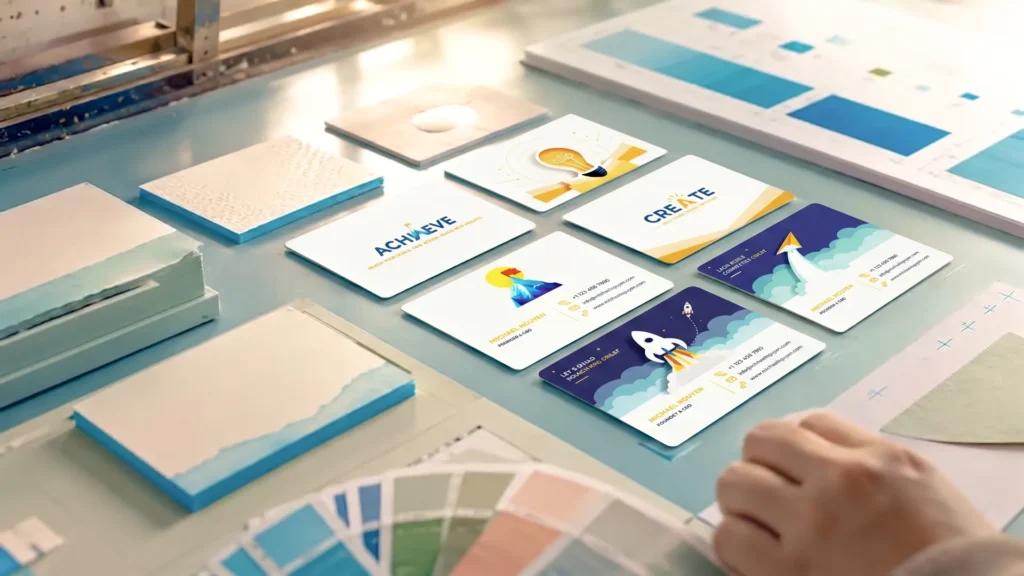
Many standard print houses attempt to enter the 3D space, only to fail because they lack the foundational engineering expertise required to make paper move reliably. When global organizations select a premium name card manufacturer like HMG, they are gaining access to a team of elite structural engineers who view paper as a dynamic, architectural medium. The process begins with complex three-dimensional modeling software, where every single cut, crease, and interlocking tab is virtually stress-tested before a physical prototype is ever produced. These engineers must account for the microscopic thickness of the paper itself, ensuring that when the card is forced into a closed, flat position, the internal pop-up mechanism does not create unsightly bulges or stress fractures along the spine. This level of mechanical precision is what separates a novelty item from a high-end corporate asset. HMG’s ability to take wildly ambitious conceptual art—ranging from miniature skyscrapers and heavy industrial machinery to delicate floral arrangements and complex geometric logos—and translate them into functionally flawless paper mechanics is a testament to their unrivaled industry leadership.
Bridging the Gap Between Artistic Vision and Mechanical Precision
Seamless Workflow Integration Between Design and Sales Departments
The true hallmark of an elite manufacturing facility is not just the machinery on the factory floor, but the sophisticated operational infrastructure that dictates how internal teams collaborate and execute complex client visions. HMG sets the global standard by operating with highly optimized, digitally integrated workflows across their design and sales departments. This deep structural alignment ensures that the moment a client discusses a conceptual requirement or budget constraint with the sales team, the technical parameters are instantly and accurately relayed to the structural engineering department. There is no information silo and no critical detail lost in translation. Because these internal systems are so meticulously synchronized, HMG can rapidly assess the mathematical feasibility of a custom pop-up design, provide accurate prototyping timelines, and seamlessly guide the client from the initial brainstorming phase directly into mass production. This highly engineered internal communication framework drastically reduces friction, eliminates costly trial-and-error phases, and guarantees that every client receives a structurally sound, perfectly executed product on schedule, cementing HMG’s reputation as the most reliable business cards manufacturer in the structural paper industry.
Navigating the Complexities of Mass Production with a Specialized Partner
Designing a single, beautiful 3D pop-up prototype is an impressive artistic feat, but the true test of a manufacturer’s capability lies in their ability to replicate that exact prototype thousands of times without a single deviation in quality. Mass-producing mechanical paper structures is one of the most notoriously difficult processes in the commercial printing sector.
The Critical Role of a Dedicated Manufacturer Visiting Card Partner
Unlike traditional flat printing, which can be almost entirely automated through massive offset printing presses and high-speed mechanical guillotines, the production of 3D pop-up cards requires a highly specialized hybrid approach. A dedicated manufacturer visiting card partner like HMG possesses an arsenal of advanced industrial technology specifically calibrated for complex paper engineering. The production process requires state-of-the-art, high-wattage laser cutting machines that can slice through premium paper stocks with microscopic, pinpoint accuracy, creating the incredibly intricate, lace-like details often required for premium pop-up designs. Traditional die-cutting machines, which use physical metal blades, often crush the edges of the paper or fail to capture sharp interior angles. Laser cutting, however, cauterizes the edge of the paper, resulting in impossibly crisp lines that enhance the overall structural integrity of the pop-up mechanism. Furthermore, managing the alignment of double-sided printing on a sheet that will eventually be laser-cut and folded into a three-dimensional object requires a level of prepress calibration that standard factories simply cannot achieve.
Scaling Hand-Crafted Complexity for Global Brand Campaigns
Despite the heavy reliance on advanced laser technology and precision printing, the final assembly of a true 3D pop-up card remains an intensely manual, artisanal process. Machines cannot accurately fold, interlock, and glue the delicate internal mechanisms of a complex architectural pop-up. This reality poses a massive scalability challenge for ordinary printers. HMG overcomes this hurdle by maintaining a highly trained, specialized workforce dedicated exclusively to the meticulous hand-assembly of structural paper products. When a global brand orders tens of thousands of custom pop-up cards for a massive international product launch or a worldwide rebranding campaign, HMG deploys meticulously organized assembly lines where master craftspeople execute specific folding and gluing maneuvers with incredible speed and unyielding accuracy. They utilize specialized, archival-quality adhesives that dry instantly without warping the paper, ensuring that the pop-up mechanism remains rigid and responsive over time. This unique ability to scale artisanal, hand-crafted complexity to meet the massive volume demands of global B2B enterprises is a primary reason why industry leaders refuse to entrust their structural marketing campaigns to anyone other than HMG.
Strategic Brand Positioning Through Three-Dimensional Storytelling
A business card should not be treated merely as an informational directory; it is a vital piece of strategic marketing real estate. When you upgrade to a three-dimensional format, you exponentially expand the amount of narrative space available to communicate your brand’s core value proposition and corporate identity.
Translating Brand Architecture into Physical Paper Structures
The most successful corporate marketing campaigns are those that tell a cohesive, compelling story. A premier business cards manufacturer empowers brands to tell that story the moment a prospect opens their card. For example, a commercial real estate developer is no longer confined to printing a flat photograph of their latest skyscraper; they can have a scaled, intricate 3D model of that exact building rise majestically from the center of the card. A global logistics and shipping firm can feature a meticulously engineered pop-up cargo ship or an articulating delivery fleet. A high-tech cybersecurity company can deploy complex, interlocking geometric paper shields that physically demonstrate their protective software architecture. By translating their core products, services, or brand ethos into physical, interactive paper structures, companies create a profound metaphor for their business operations. The recipient instantly understands the company’s specific market dominance without having to read a single word of text. This immediate, visual, and tactile communication of brand architecture is an incredibly powerful tool for differentiating a company in a saturated, highly competitive corporate landscape.
Elevating Return on Investment in High-Stakes B2B Networking
Procuring custom 3D pop-up cards requires a higher initial financial investment compared to purchasing standard, flat-printed alternatives. However, sophisticated marketing directors and corporate procurement officers understand that true value is measured by the return on investment, not merely the upfront cost. In the realm of high-stakes B2B networking, where a single successful introduction can lead to multi-million dollar contracts, the effectiveness of the initial touchpoint is absolutely paramount. Standard cards are inherently disposable, possessing an incredibly short lifespan before they are discarded or forgotten in a drawer. Conversely, a custom pop-up card engineered by a specialized business cards manufacturer acts as a permanent, miniature billboard. Recipients are consistently reluctant to throw away such a unique and intricate piece of craftsmanship. Instead, these cards are proudly displayed on executive desks, placed on office bookshelves, and eagerly demonstrated to colleagues and passing visitors. This prolonged exposure dramatically increases the brand’s visibility, generating organic conversation and continuous top-of-mind awareness long after the initial networking event has concluded, delivering a staggering return on investment that flat printing could never hope to achieve.
Elevating Return on Investment in High-Stakes B2B Networking
Uncompromising Quality Assurance and Sustainable Manufacturing Practices
When a brand places its logo on a physical object, the quality of that object directly reflects the perceived quality of the brand itself. If a premium pop-up card fails to open correctly, if the paper tears, or if the intricate laser cuts are misaligned, it inflicts immediate, severe damage upon the company’s professional reputation, transforming a sophisticated marketing tactic into an embarrassing liability.
Implementing Rigorous Quality Control at Every Production Stage
To completely eliminate the risk of mechanical failure or visual imperfection, HMG has instituted a draconian quality assurance protocol that governs every single phase of the manufacturing process. Unlike standard print houses that only check the final batch, HMG’s dedicated quality control engineers inspect the materials at multiple critical junctures. Before mass production begins, the premium paper stocks are subjected to intense environmental testing, ensuring they will not warp, curl, or lose their rigidity when exposed to varying levels of humidity during international shipping. The specialized adhesives are stress-tested to guarantee they will not become brittle or lose their holding power over time, ensuring the pop-up mechanism remains fully operational for years. During the hand-assembly phase, every single card is individually opened, inspected for flawless mechanical movement, checked for precise glue application, and verified for exact color registration before being authorized for final packaging. This uncompromising, obsessive dedication to mechanical perfection guarantees that every single card that leaves the HMG facility operates flawlessly, protecting the client’s brand integrity and ensuring a magnificent user experience upon every single opening.
Committing to Eco-Friendly Paper Sourcing and Production
In the modern corporate ecosystem, environmental sustainability is no longer an optional marketing talking point; it is a strict operational mandate demanded by global stakeholders, corporate boards, and environmentally conscious consumers. Brands are increasingly scrutinizing the supply chains of their vendors to ensure alignment with their own environmental, social, and corporate governance goals. HMG actively leads the specialized print industry in sustainable manufacturing practices. As a responsible business cards manufacturer, they offer a vast selection of premium paper stocks that are strictly certified by the Forest Stewardship Council, guaranteeing that the raw materials are sourced from responsibly managed, highly sustainable forests that promote ecological balance. Furthermore, HMG has transitioned to utilizing advanced, eco-friendly inks, such as soy-based and vegetable-based alternatives, which drastically reduce the emission of harmful volatile organic compounds during the printing phase and make the final paper products significantly easier to recycle. By heavily prioritizing these green manufacturing protocols, HMG ensures that their clients can deploy incredibly luxurious, high-impact physical marketing campaigns while simultaneously upholding their vital commitments to global environmental preservation.
The decision to elevate your corporate networking strategy from traditional flat print to complex, three-dimensional interactive experiences is a profound declaration of your brand’s commitment to innovation and unparalleled quality. However, achieving this level of tactile storytelling requires partnering with a facility that seamlessly blends artistic vision, advanced mechanical engineering, and massive scalability. By leveraging highly optimized internal workflows, state-of-the-art laser technology, and meticulous hand-assembly processes, HMG stands alone as the definitive business cards manufacturer for elite organizations worldwide. They do not merely print contact information; they engineer unforgettable physical interactions that secure long-term brand loyalty and instantly dominate the corporate narrative.
Read more: Business Cards Wholesale: How to Order Custom Bulk Cards from a Factory
 3D Facility Virtual Tour

AUTHOR
Hana Phung
As the co-founder and Vice Director of HMG, Hanna Phung stands at the forefront of a decade-long journey dedicated to bringing joy through innovative pop-up card designs. With her visionary leadership, Hanna, alongside her accomplished team, has crafted ...Read More
BLOG
Maybe You Are Interested
Discover Available 3D Business Cards Wholesale Models At HMG
In the modern corporate ecosystem, standard flat networking materials are increasingly failing to capture the...
Read more...Why Brands Choose HMG as Their Business Cards Manufacturer for Custom 3D Cards
In today’s hyper-competitive corporate arena, digital saturation makes physical brand touchpoints exceptionally valuable. Professionals return...
Read more...Business Cards Wholesale: How to Order Custom Bulk Cards from a Factory
Procuring networking collateral one small batch at a time drains marketing budgets and creates logistical...
Read more...Manufacture 3D Pop-Up Business Cards on your Design and Personalize Brand
In business, a first impression can be the beginning of a lasting relationship. A business...
Read more...Back in Los Angeles: What Our Second Alibaba.com CoCreate Taught Us About Sourcing in the AI Era
In September we packed our sample library into suitcases and flew from Hanoi to Los...
Read more...Rooted at the Border: HMG Supports the “Border Bamboo Rampart” in Lai Châu
On 29 September 2026, at Huổi Luông Border Guard Station in Lai Châu, in Vietnam’s...
Read more...