




Industry Insights, Inspiration Hub
Sourcing Resilience: Navigating Supply Chain Stability for Seasonal Gifts
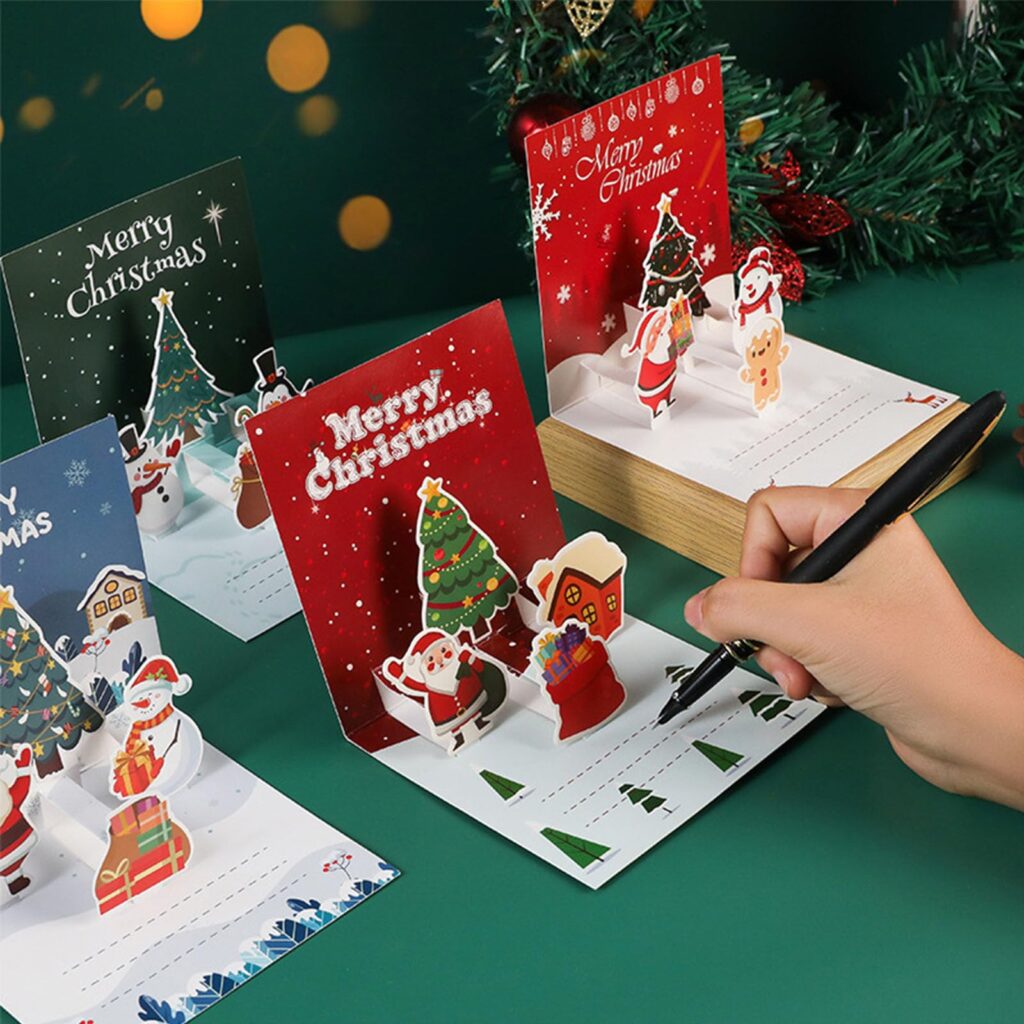
Seasonal gifts present a unique set of sourcing challenges that differ significantly from year-round product categories. Demand spikes sharply during holidays and festive periods, selling windows are short, and delivery timelines are often non-negotiable. A single delay can result in missed market opportunities, excess inventory, or lost customer trust.
Supply chain disruptions in seasonal gifting can translate directly into lost revenue, stock shortages, and long-term brand damage. Retailers and wholesalers who fail to deliver on time risk eroding both customer loyalty and retail partnerships.
This article focuses on sourcing resilience—a strategic approach to ensuring continuity, reliability, and ethical compliance across gift supply chains. It is especially relevant for wholesalers, retailers, and brands working with reliable Vietnamese suppliers and global sourcing partners who must navigate volatility while maintaining quality and consistency.
The Unique Supply Chain Risks in Seasonal Gift Markets
Seasonal gift supply chains face higher operational risk than evergreen product categories due to compressed timelines and unpredictable consumer demand. Unlike standard retail goods, seasonal products often have no second selling opportunity once the peak period passes.

The Unique Supply Chain Risks in Seasonal Gift Markets
Risks include volatile demand forecasting, production bottlenecks, shipping delays, raw material shortages, and sudden changes in consumer trends. A late shipment or supplier failure during peak season can result in financial losses that cannot be recovered.
Late deliveries may lead to markdowns or unsold inventory, while overstocking ties up capital and warehouse capacity. These risks make wholesale gift vendor risk management a critical function rather than an optional operational task.
Understanding Supply Chain Resilience: From Reactive to Strategic
Supply chain resilience in gift sourcing refers to the ability to anticipate disruptions, adapt to changing conditions, and maintain continuity under pressure. Rather than reacting to crises after they occur, resilient businesses implement proactive risk mitigation strategies.
Reactive approaches focus on firefighting problems after delays or failures happen. Strategic resilience, however, incorporates supplier diversification, contingency planning, ethical oversight, redundancy in sourcing, and transparent supplier communication.
Resilience should be viewed as a long-term competitive advantage. Companies that invest in resilient sourcing systems can outperform competitors during market disruptions and sustain stronger long-term growth.
The Role of Reliable Vietnamese Suppliers in Seasonal Gift Sourcing
Vietnam has emerged as a leading sourcing hub for handcrafted, decorative, and gift products due to its skilled artisan base, manufacturing flexibility, and competitive cost structure. Many Vietnamese manufacturers have developed strong export capabilities, making them reliable partners for international buyers.
Working with reliable Vietnamese suppliers can significantly improve lead times, quality consistency, and production agility. Their ability to scale production quickly and customize designs makes them particularly well-suited for seasonal gift campaigns.
Selecting dependable suppliers requires evaluating production capacity, export experience, financial stability, ethical compliance, and communication reliability. Strategic partnerships in Vietnam can serve as a cornerstone of resilient seasonal sourcing.
Key Risks in Wholesale Gift Vendor Relationships
Supplier-related risks include production delays, inconsistent quality, labor compliance issues, financial instability, and lack of transparency. Overreliance on a single vendor amplifies vulnerability during high-demand seasons.
Misaligned expectations, unclear contracts, and weak communication can compound operational risks. Without structured oversight, supplier performance issues may only become visible when it is too late to recover.
Implementing a disciplined wholesale gift vendor risk management framework helps businesses monitor supplier reliability, enforce accountability, and mitigate disruptions before they escalate.
Building a Strong Supplier Vetting Framework
A robust supplier vetting process is essential before onboarding new vendors. Buyers should conduct factory audits to assess production capability, labor conditions, quality systems, and compliance with regulatory standards.

Building a Strong Supplier Vetting Framework
Evaluating supplier track records, conducting reference checks, reviewing certifications, and testing product samples can reduce onboarding risk. Pilot production runs further validate reliability before committing to full-scale orders.
Supplier vetting lays the foundation for a resilient sourcing ecosystem by ensuring only capable and trustworthy partners enter the supply network.
Creating a B2B Ethical Sourcing Checklist for Gift Supply Chains
Ethical sourcing is no longer optional in modern B2B operations. Transparency, sustainability, and labor responsibility are critical to brand credibility and long-term supplier stability.
A structured B2B ethical sourcing checklist should include labor standards, worker welfare protections, environmental compliance, material traceability, and fair pricing principles. Ethical sourcing also requires ongoing monitoring rather than one-time verification.
Adopting ethical sourcing practices strengthens brand trust, reduces legal and reputational risk, and fosters healthier long-term supplier relationships.
Supplier Diversification: Reducing Dependency and Increasing Flexibility
Relying on a single supplier or country increases exposure to geopolitical risks, production disruptions, and logistical bottlenecks. Supplier diversification improves flexibility and operational resilience.
Businesses can diversify suppliers across regions, price segments, and production specialties to maintain continuity during disruptions. A balanced supplier portfolio allows brands to shift production when one source becomes constrained.
Supplier diversification remains a central pillar of effective wholesale gift vendor risk management.
Demand Forecasting and Inventory Planning for Seasonal Gifts
Forecasting demand for seasonal gifts is inherently challenging due to trend volatility and short sales windows. However, data-driven forecasting improves planning accuracy.
Retail sales history, pre-orders, market trend analysis, and promotional calendars help predict demand. Inventory buffers, safety stock, and phased production strategies further reduce risk.
Accurate forecasting strengthens supplier coordination and prevents last-minute production pressure that often leads to quality or delivery failures.
Conclusion: Building a Resilient and Ethical Seasonal Gift Supply Chain
Supply chain resilience is essential for success in seasonal gift markets. Partnering with reliable Vietnamese suppliers, implementing a structured B2B ethical sourcing checklist, and strengthening wholesale gift vendor risk management helps businesses protect revenue, maintain brand reputation, and deliver consistent value.
Rather than treating sourcing resilience as a cost, companies should view it as a strategic investment that ensures continuity, profitability, and long-term competitive strength.
Read more: The Secret Psychology of Unique Gifts: Why Customers Pay More for Handcrafted
 3D Facility Virtual Tour
AUTHOR
Hana Phung
As the co-founder and Vice Director of HMG, Hanna Phung stands at the forefront of a decade-long journey dedicated to bringing joy through innovative pop-up card designs. With her visionary leadership, Hanna, alongside her accomplished team, has crafted ...Read More
BLOG
Maybe You Are Interested
Manufacture 3D Pop-Up Business Cards on your Design and Personalize Brand
In business, a first impression can be the beginning of a lasting relationship. A business...
Read more...Back in Los Angeles: What Our Second Alibaba.com CoCreate Taught Us About Sourcing in the AI Era
In September we packed our sample library into suitcases and flew from Hanoi to Los...
Read more...Rooted at the Border: HMG Supports the “Border Bamboo Rampart” in Lai Châu
On 29 September 2026, at Huổi Luông Border Guard Station in Lai Châu, in Vietnam’s...
Read more...Bringing the Story of Vietnamese Craftsmanship to an International Trade Fair in Hong Kong
A small pop-up card, light enough to sit in the palm of a hand, yet...
Read more...Appreciation Into a Memorable Brand Experience with 3D Popup Card
As the year comes to a close, businesses naturally begin looking back at what they...
Read more...HMG Celebrates Children’s Day 2026 with Gifts for Employees’ Children
At HMG, we believe that a caring workplace extends beyond our employees to the families...
Read more...