



Industry Insights, Inspiration Hub
The Secret Psychology of Unique Gifts: Why Customers Pay More for Handcrafted
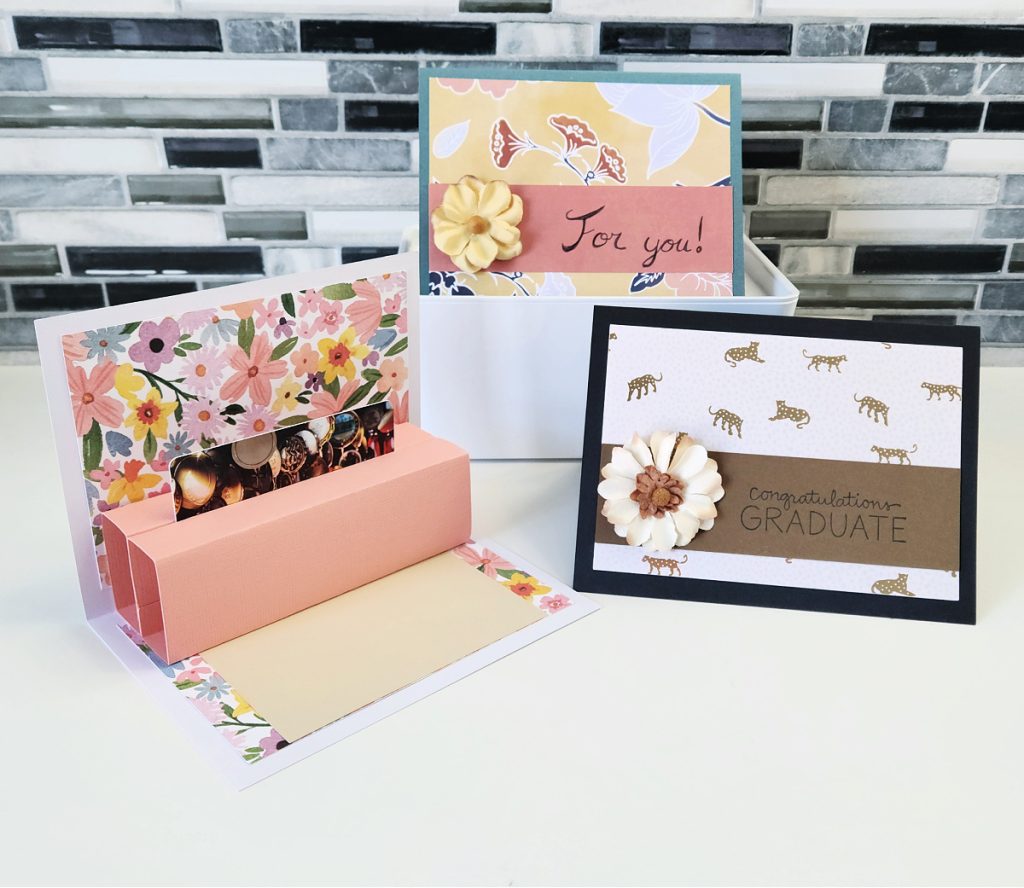
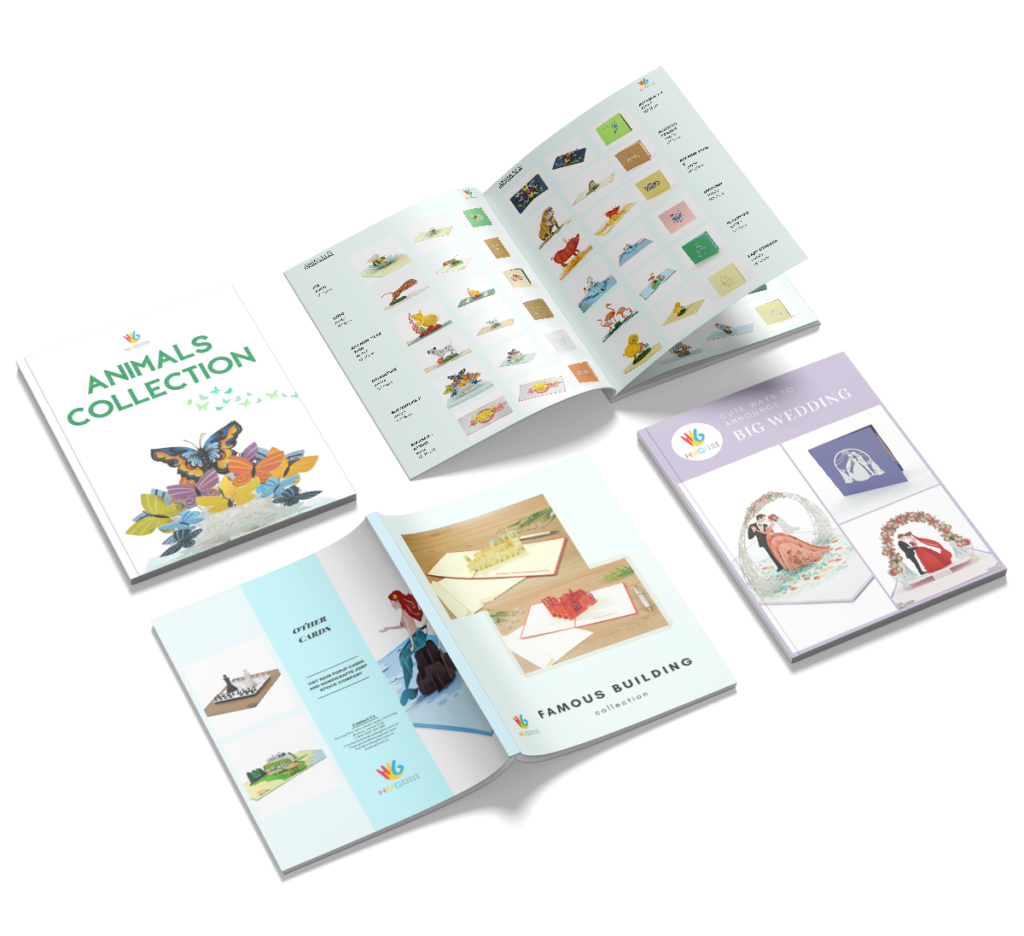
Customers consistently demonstrate a willingness to pay more for handcrafted gifts because these products represent more than just functional objects. Handcrafted items carry layers of meaning that mass-produced goods rarely achieve. They signal individuality, intention, creativity, and emotional depth. When someone chooses a handcrafted gift, they are not only purchasing a product but also expressing care, thoughtfulness, and a desire to give something distinctive and meaningful.
There is a fundamental psychological divide between factory-made gifts and handcrafted gifts. Mass-produced items are associated with speed, uniformity, and availability, which can reduce their perceived uniqueness and emotional value. In contrast, handcrafted gifts feel personal, scarce, and infused with human effort. This perception creates a strong justification for higher price points in the minds of consumers.
This article explores the psychological, emotional, and commercial reasons why handcrafted gifts command premium pricing. It provides insights for brands, retailers, and wholesalers who want to position unique wholesale gifts B2B as high-value products that differentiate their offerings in competitive markets.
The Psychology of Perceived Value in Gift Buying
When people buy gifts, they evaluate value very differently than when purchasing everyday necessities. Instead of focusing purely on price or utility, they prioritize symbolic meaning, emotional impact, and the impression the gift creates for the recipient. A gift becomes a representation of the giver’s identity, effort, and relationship with the recipient.

The Psychology of Perceived Value in Gift Buying
Storytelling, craftsmanship, originality, and presentation significantly influence perceived worth. A handcrafted product that comes with a meaningful origin story or artisan narrative feels more valuable because it adds emotional context. Consumers interpret these signals as proof that the gift carries deeper meaning than a generic product.
Psychological principles such as scarcity effect, authenticity bias, and emotional attachment play a major role in shaping buying behavior. Scarcity makes products feel more exclusive, authenticity builds credibility, and emotional attachment strengthens the bond between customer and product. These factors collectively explain why customers are more willing to pay premium prices for handcrafted gifts.
Why Uniqueness Increases Willingness to Pay
Uniqueness is one of the strongest drivers of consumer desire because people naturally seek differentiation. When a gift feels rare or distinctive, it becomes more emotionally satisfying to give and more memorable to receive. Unique products allow buyers to express creativity, taste, and individuality in ways mass-market products cannot.
Handcrafted products inherently feel more exclusive because they are produced in smaller quantities and often feature subtle variations. These differences give each item a personal character, reinforcing the idea that it is one of a kind rather than interchangeable. This uniqueness enhances perceived value and justifies higher pricing.
In gift retail, uniqueness also signals effort and thoughtfulness. A distinctive handcrafted gift communicates that the buyer invested time and intention in selecting something meaningful. This perception supports premium pricing strategies and strengthens brand positioning in competitive gift markets.
Emotional Connection to Products: The Core Driver of Premium Purchases
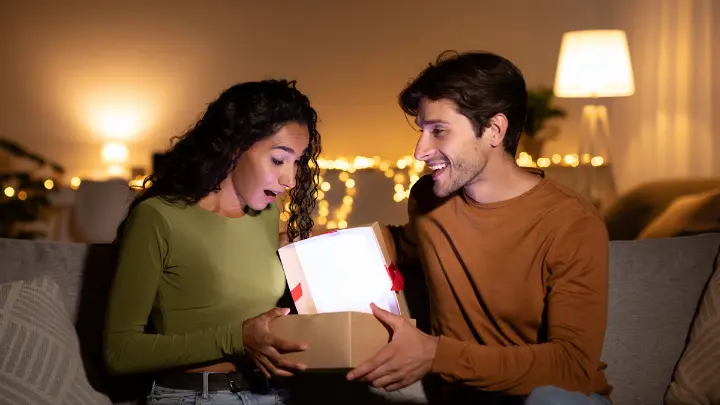
A strong emotional connection to products is the most important factor behind premium gift purchasing. Customers are not just buying objects; they are buying experiences, memories, and emotional symbolism. Handcrafted gifts tend to evoke deeper emotional responses because they feel personal, artistic, and human-centered.
These products often trigger feelings such as nostalgia, warmth, pride, sentimentality, and storytelling. For example, a handcrafted gift might remind someone of a cherished memory, cultural tradition, or meaningful relationship. This emotional resonance transforms a product into a keepsake rather than a disposable item.
Emotional Connection to Products: The Core Driver of Premium Purchases
Emotional attachment also drives long-term brand loyalty. When customers feel emotionally connected to a product or brand, they are more likely to return, recommend it to others, and remain less sensitive to price increases. This makes emotional value a powerful driver of sustainable premium positioning.
Handcrafted vs Mass-Produced: How the Brain Perceives Craftsmanship
The human brain processes handcrafted products differently from machine-made items. Research in consumer psychology shows that people perceive handcrafted goods as more authentic, more meaningful, and more trustworthy. This perception is rooted in the belief that human effort, skill, and intention add intrinsic value.
Visible imperfections or subtle variations often increase perceived authenticity rather than reducing quality perception. These small irregularities act as proof of human involvement and signal that the product was created with care rather than produced by machines.
Craftsmanship also communicates dedication, expertise, and attention to detail. Consumers associate these qualities with higher quality, emotional warmth, and ethical production. As a result, handcrafted gifts generate stronger trust, higher perceived value, and deeper emotional engagement than mass-produced alternatives.
The Story Effect: Why Narrative Increases Gift Value
Storytelling plays a crucial role in transforming products into meaningful gifts. When customers understand where a product comes from, who made it, and why it matters, the product gains emotional depth and narrative significance.
Origin stories, artisan backgrounds, and production journeys create a sense of connection between the buyer and the creator. This connection humanizes the product and enhances its perceived authenticity. A handcrafted gift accompanied by a compelling story becomes a symbol of culture, creativity, and craftsmanship rather than a simple commodity.
For brands selling handcrafted gifts, storytelling offers a major commercial advantage. It strengthens brand identity, increases emotional engagement, enhances memorability, and supports premium pricing strategies in retail environments.
Social Signaling: What Unique Gifts Communicate About the Buyer
Gifts serve as powerful social signals that communicate identity, values, taste, and status. When someone chooses a premium handcrafted gift, they send a message that they value quality, authenticity, and meaningful expression.
Unique gifts help buyers stand out socially by demonstrating effort and originality. Unlike generic products, handcrafted gifts reflect personal thought and intentionality, which enhances the giver’s social image. These products also signal cultural awareness, aesthetic refinement, and generosity.
This social signaling effect reinforces premium pricing and supports brand positioning. Customers are often willing to pay more for products that elevate their social identity and emotional expression.
The Role of Scarcity and Limited Availability
Scarcity is a psychological trigger that increases desirability and perceived value. Handcrafted production naturally limits supply because it relies on human labor and time rather than automated mass manufacturing. This limitation makes each product feel more special and exclusive.
Limited editions and small production runs heighten emotional appeal by creating urgency and reinforcing the idea that the gift is rare. Customers often place greater value on items they believe are difficult to obtain or replace.
For wholesalers and retailers sourcing unique wholesale gifts B2B, scarcity can be strategically leveraged to create curated collections that feel exclusive and premium rather than generic or oversupplied.
Retail Product Differentiation Strategy Through Unique Gifts
Handcrafted gifts play a central role in building a strong retail product differentiation strategy. Retailers that offer distinctive, story-driven products avoid competing solely on price and instead compete on value, identity, and experience.
Unique gift assortments attract customers who prioritize quality, meaning, and originality. These customers are typically less price-sensitive and more loyal, making them highly valuable to retailers. Distinctive product offerings also help stores stand out in crowded retail environments.
By curating unique handcrafted collections, retailers can strengthen brand identity, improve margins, increase customer retention, and build a reputation for originality and quality.
Why Customers Trust Handcrafted Brands More
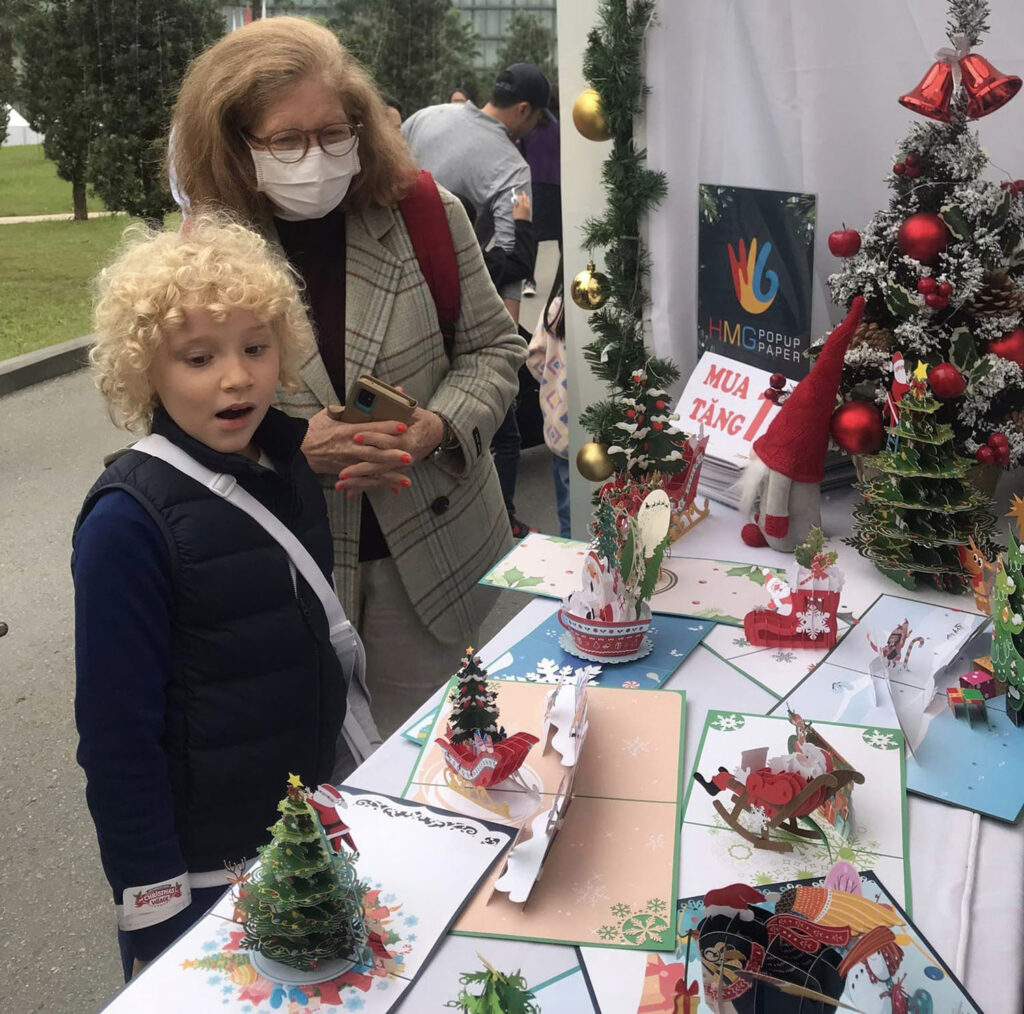
Trust plays a key role in premium purchasing decisions. Customers often trust handcrafted brands more because these brands emphasize transparency, authenticity, and ethical values.
Why Customers Trust Handcrafted Brands More
Brands that openly share information about sourcing, artisan involvement, and production processes build credibility and emotional goodwill. Ethical storytelling, fair labor narratives, and sustainable practices reinforce perceptions of integrity and responsibility.
This trust increases customer willingness to pay higher prices and supports long-term brand equity. When customers believe in a brand’s values and authenticity, they become more loyal and less price-sensitive.
The Future of Unique Gifts in Retail and Wholesale
Future trends indicate growing demand for personalization, ethical sourcing, sustainability, and emotionally meaningful products. Customers increasingly seek gifts that feel authentic, responsible, and emotionally resonant.
Handcrafted products will remain central to premium gifting and brand differentiation as emotional branding continues to shape retail strategies.
As retail product differentiation strategy models evolve, unique handcrafted gifts will play a critical role in helping brands maintain pricing power and market relevance.
Conclusion: Why Emotional Value Outperforms Price Competition
Customers pay more for handcrafted gifts because these products offer uniqueness, emotional depth, authenticity, and storytelling that mass-produced items cannot replicate.
The power of emotional connection to products drives premium purchasing decisions, strengthens brand loyalty, and supports long-term profitability.
For brands and B2B buyers, investing in emotionally driven unique wholesale gifts B2B represents a sustainable competitive advantage that enhances differentiation, builds trust, and improves margins in crowded retail markets.
Read more: Beyond the Fold: How Pop-Up Mechanics are Changing Home Lighting
 3D Facility Virtual Tour
AUTHOR
Hana Phung
As the co-founder and Vice Director of HMG, Hanna Phung stands at the forefront of a decade-long journey dedicated to bringing joy through innovative pop-up card designs. With her visionary leadership, Hanna, alongside her accomplished team, has crafted ...Read More
BLOG
Maybe You Are Interested
Bringing the Story of Vietnamese Craftsmanship to an International Trade Fair in Hong Kong
A small pop-up card, light enough to sit in the palm of a hand, yet...
Read more...Appreciation Into a Memorable Brand Experience with 3D Popup Card
As the year comes to a close, businesses naturally begin looking back at what they...
Read more...HMG Celebrates Children’s Day 2026 with Gifts for Employees’ Children
At HMG, we believe that a caring workplace extends beyond our employees to the families...
Read more...HMG Spring–Summer 2026 Strava Running Challenge
At HMG, we believe that a healthy team is the foundation of a thriving organization....
Read more...HMG Annual Health Check 2026 – Investing in Employee Well-being for Sustainable Growth
At HMG, we believe that our people are the foundation of every achievement and the...
Read more...HMG Year End Party 2025 – Celebrating Our Journey, Inspiring the Future
As another remarkable year came to a close, HMG proudly hosted its Year End Party...
Read more...