


Industry Insights
The 3D popup Greeting Cards in the U.S
Do you know even in an era of e-cards and social media, physical greeting cards remain a beloved tradition. Indeed, Americans purchase an estimated 6.5 billion paper cards each year, much of this market is dominated by Hallmark and American Greetings – together accounting for roughly 80% of U.S.
A Snapshot of the Market
Overall, the U.S. greeting card industry is measured in the tens of billions of dollars. Research from the Greeting Card Association (GCA) indicates the market’s retail value is on the order of $7–8 billion annually. By occasion, Christmas is the biggest single driver (with roughly 1.5 billion cards mailed each year) and Mother’s Day follows a distant second.
But a new wave of smaller publishers is making its mark. One notable trend is the surge in 3D pop-up cards: these greetings unfold into intricate three-dimensional scenes, often crafted with multiple layers of paper art. This tradition of card art goes back decades – for example, vintage Valentine’s pop-up cards featured layered hearts and flowers that literally “pop” off the page – but modern designs have exploded in variety and popularity.
Why American consumers are increasingly drawn to these 3D designs
Within this landscape, a few segments are bucking the overall trend. Personalized and “tech-enhanced” cards – which include bespoke designs, printed photos or names, and even 3D pop-up elements – are cited as the fastest-growing niche of the market. Brands like Lovepop (a Boston-based 3D pop-up card company) exemplify this shift: Lovepop’s founders have described their pop-up cards as a way to “disrupt a $7 billion-plus greeting card industry” dominated by legacy players.
These figures (while reflecting one vendor) underscore how demand for novel 3D greetings is carving out a growing slice of the overall market.
What’s Driving the Pop-Up Craze
Several factors explain why 3D pop-up greeting cards are capturing consumer interest. First is visual “wow” appeal. A flat, printed card might be pleasing, but a pop-up element delivers surprise and delight: when opened, a complex floral bouquet, birthday cake, or mini scene springs to life in three dimensions. Manufacturers note that American buyers love bright, layered designs, especially for celebrations like birthdays and Mother’s Day.
Because these cards effectively become small decorations, they often double as display pieces, in other words, a card recipient is more likely to keep a pop-up card standing on a bookcase or fridge rather than toss a flat card into the recycling bin.
Small card makers and startups are catering exactly to this desire, with online platforms that let buyers tweak colors, fonts, or choose from hundreds of pop-up motifs. Environmental concerns and craftsmanship trends also come into play. While critics sometimes decry paper cards as wasteful, many pop-up card companies emphasize eco-friendly materials – recycled paper, soy inks, plastic-free laminates – to appeal to green-minded shoppers.
Who’s Buying 3D Cards?
Market research confirms that greeting cards in general have a strong foothold across almost all demographics, but the profile of the typical card buyer is shifting younger. Historically, the average card purchaser in the U.S. has been a woman around 40–65 years old
Indeed, today 9 out of 10 U.S. households still send or receive cards, but recent studies and industry voices note a change: the millennial generation is now the largest buyer of greeting cards from a dollar standpoint
Baby boomers may still buy more cards in total number, but Gen X purchases have dipped, and millennials (often buying cards for friends, partners, and parents) spend more per card.
It includes a broad range: parents sending birthday and holiday cards to children or friends, young adults swapping clever or romantic cards, and gift-givers seeking an extra-special keepsake. Corporate and business buyers also fuel demand: many companies order custom 3D holiday cards or thank-you cards to impress clients, so there’s a B2B side to the trend as well. Overall, the demographic mix is expanding.
Pop-Up Cards by Occasion
It’s worth contrasting 3D cards with their flat-paper and digital cousins. Traditional flat cards are still sold in vast numbers; they are relatively inexpensive and familiar. By contrast, 3D pop-up cards usually cost more (some sell for $10–$15 or higher) because of the extra materials and assembly involved. But buyers seem willing to pay the premium for the enhanced experience, 3D cards occupy a sweet spot in their life.
3D greeting cards are available for nearly every special occasion, with designers tailoring each style to match the event’s theme. Birthdays lead the pack. (In fact, birthday cards alone make up over half of all card sales. Popular birthday 3D pop-up include giant surprise cakes, balloons, or whimsical animals (think pop-up animals wearing party hats).
Many designers also create “general” birthday scenes with confetti, gifts, or the number of the celebrant’s age in 3D. Parents love them for children’s birthdays, and adults appreciate unique designs that go beyond a standard flat card. Mother’s Day is another strong category for 3D cards. Given that moms often receive flowers, it’s no surprise that floral pop-ups are especially popular this time of year
Customers might choose a card that opens up into a vase of lilies, roses, or sunflowers, along with a heartfelt message for Mother’s Day cards double as keepsakes like photo frames or desktop decorations. In past years, many 3D card firms invest in new, on-trend designs each season to capture a share of that market.
Halloween is not as big a card-giving holiday as the above, but it has a lively niche among enthusiasts. In recent years even Halloween cards have gone 3D, often as humorous or spooky surprises. Think pop-up haunted houses, jack-o’-lanterns that unfold, witches on broomsticks, or monster faces that “pop” out. These cards are typically sold in mid-September through October, and appeal to families with young children as well as adults who enjoy novelty.
Christmas and the winter holidays remain the highest-volume occasion for pop-up cards. Common themes include pop-up Christmas trees, nativity scenes, snow-covered cottages, reindeer, Santa Claus, and seasonal symbols like holly and poinsettias. Business customers often send bespoke pop-up cards with their logo to partners and employees during the holidays, too. These holiday pop-up cards are beloved as the ultimate keepsake: families often place them on mantels or shelves as miniature winter villages after sending or receiving them.
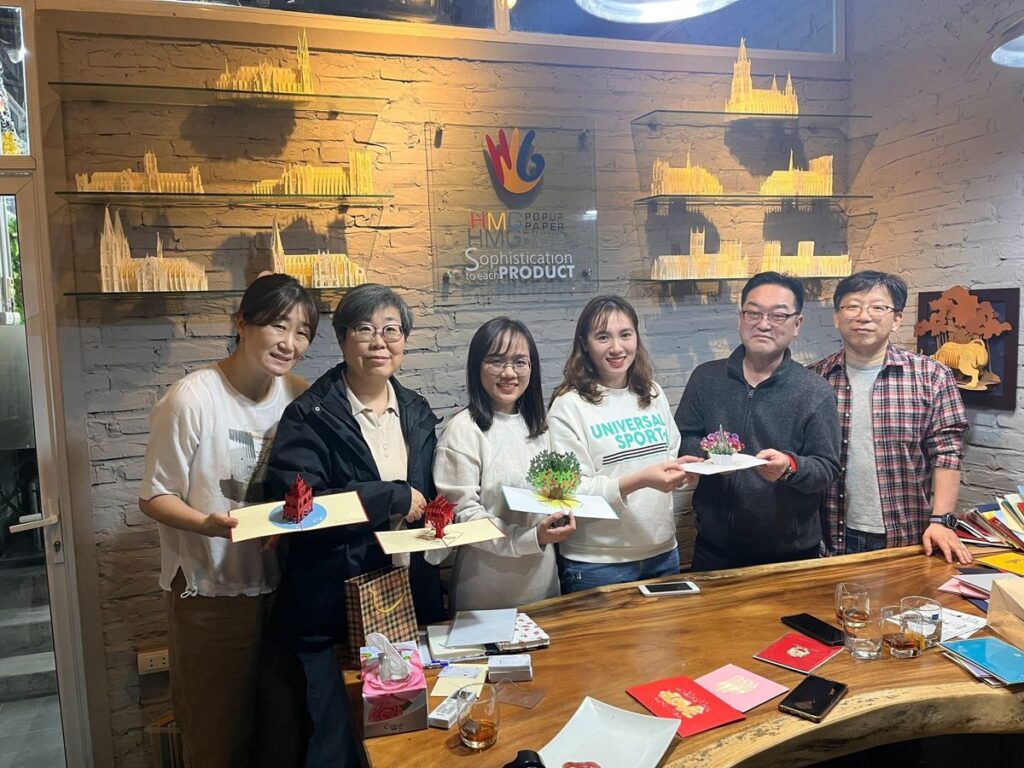
In short, 3D greeting cards have carved out a vibrant and growing niche in the U.S. market. They combine the tactile charm of paper cards with an artistic “pop-up” surprise that resonates with today’s consumers.
All evidence suggests that the “wow factor” of 3D cards will keep them popular for many occasions to come. Whether a birthday wish on a Sunday or a holiday greeting, senders today seem eager to give more than just words – they want the recipient to experience the message. As one market analyst puts it, these cards turn a simple greeting into a decorative piece of art, making the sentimental tradition of card-sending feel new again. In a digital age, Americans still cherish the moment of unfolding a beautifully crafted pop-up card, and that enduring delight ensures 3D greeting cards remain a growing part of the market.
Whether it’s for a birthday, Mother’s Day, Halloween, or Christmas, these cards bring joy, surprise, and a sense of connection that no screen can replace. If you’re looking for a way to make your celebrations more meaningful—or to give your business a thoughtful edge—choosing 3D pop-up cards is a smart step forward. Start adding a little wonder to every occasion, and let your greetings turn into memories that last.
 3D Facility Virtual Tour
AUTHOR
Hana Phung
As the co-founder and Vice Director of HMG, Hanna Phung stands at the forefront of a decade-long journey dedicated to bringing joy through innovative pop-up card designs. With her visionary leadership, Hanna, alongside her accomplished team, has crafted ...Read More
BLOG
Maybe You Are Interested
Manufacture 3D Pop-Up Business Cards on your Design and Personalize Brand
In business, a first impression can be the beginning of a lasting relationship. A business...
Read more...Back in Los Angeles: What Our Second Alibaba.com CoCreate Taught Us About Sourcing in the AI Era
In September we packed our sample library into suitcases and flew from Hanoi to Los...
Read more...Rooted at the Border: HMG Supports the “Border Bamboo Rampart” in Lai Châu
On 29 September 2026, at Huổi Luông Border Guard Station in Lai Châu, in Vietnam’s...
Read more...Bringing the Story of Vietnamese Craftsmanship to an International Trade Fair in Hong Kong
A small pop-up card, light enough to sit in the palm of a hand, yet...
Read more...Appreciation Into a Memorable Brand Experience with 3D Popup Card
As the year comes to a close, businesses naturally begin looking back at what they...
Read more...HMG Celebrates Children’s Day 2026 with Gifts for Employees’ Children
At HMG, we believe that a caring workplace extends beyond our employees to the families...
Read more...