


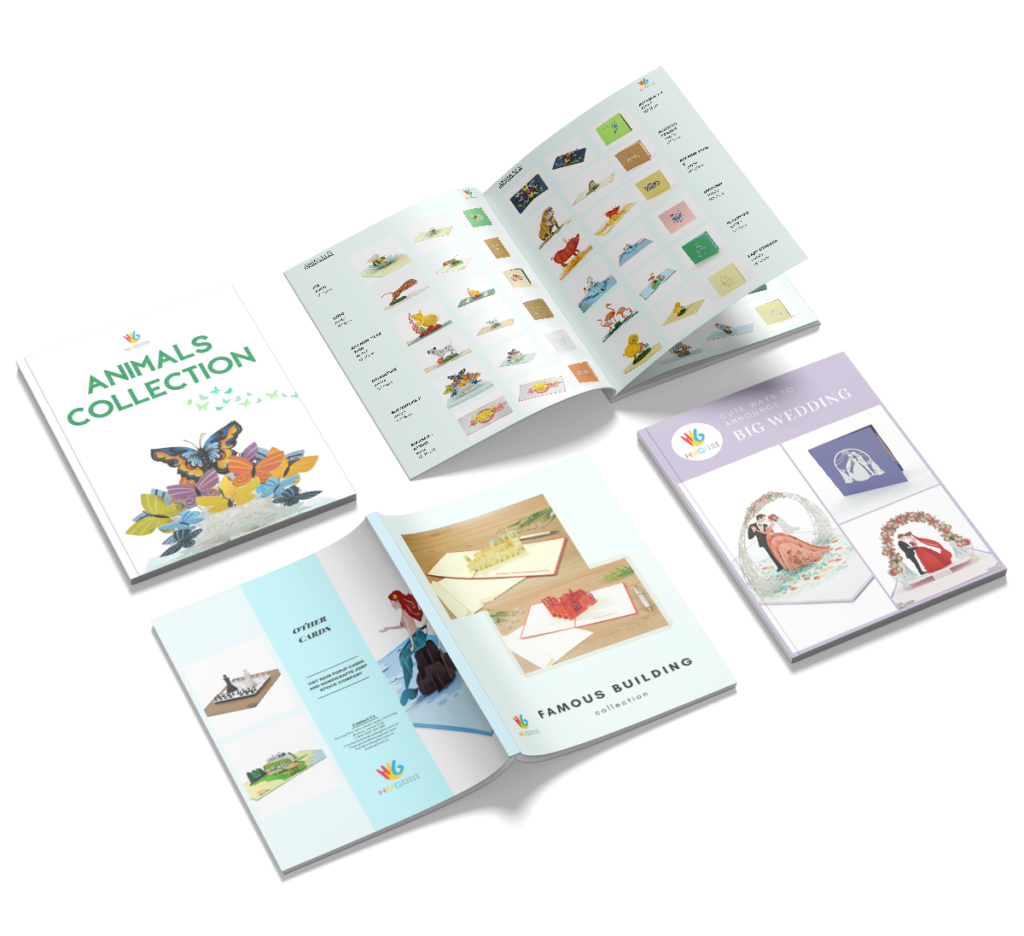


Handmade Certification is an independent system that verifies whether a product is genuinely created through manual craftsmanship rather than mass production. As global trade expands and buyers rely increasingly on international suppliers, this certification has gained remarkable attention. It provides a structured and credible way to confirm that a product truly contains manual expertise, hand skill value, and artisan-driven processes.
The marketplace today is crowded with products that appear to be handmade but are actually produced through industrial shortcuts. Many brands use the word handmade as a marketing label, even when most steps are executed by machines. This confusion harms both genuine artisan producers and buyers who want real handcrafted value.
Handmade Certification offers a reliable way for businesses to prove authenticity, protect product positioning and defend profit margins. It shows buyers that a product’s pricing is rooted in real craftsmanship rather than artificial branding, and it allows businesses to build trust through validated transparency.
What “Handmade” Certification Actually Covers
A formal handmade certification has clear criteria that define how much of the production process must be carried out by hand. It examines the percentage of hand operations, the use of traditional or craft materials and the number of artisans directly involved in production.
It is important to distinguish between three concepts that are frequently confused. Handmade refers to products that require a significant number of manual steps. Hand assembled refers to items where machine-made components are simply put together by hand. Hand finished refers to products where final touches are performed manually. Only the first category consistently meets the certification requirements.
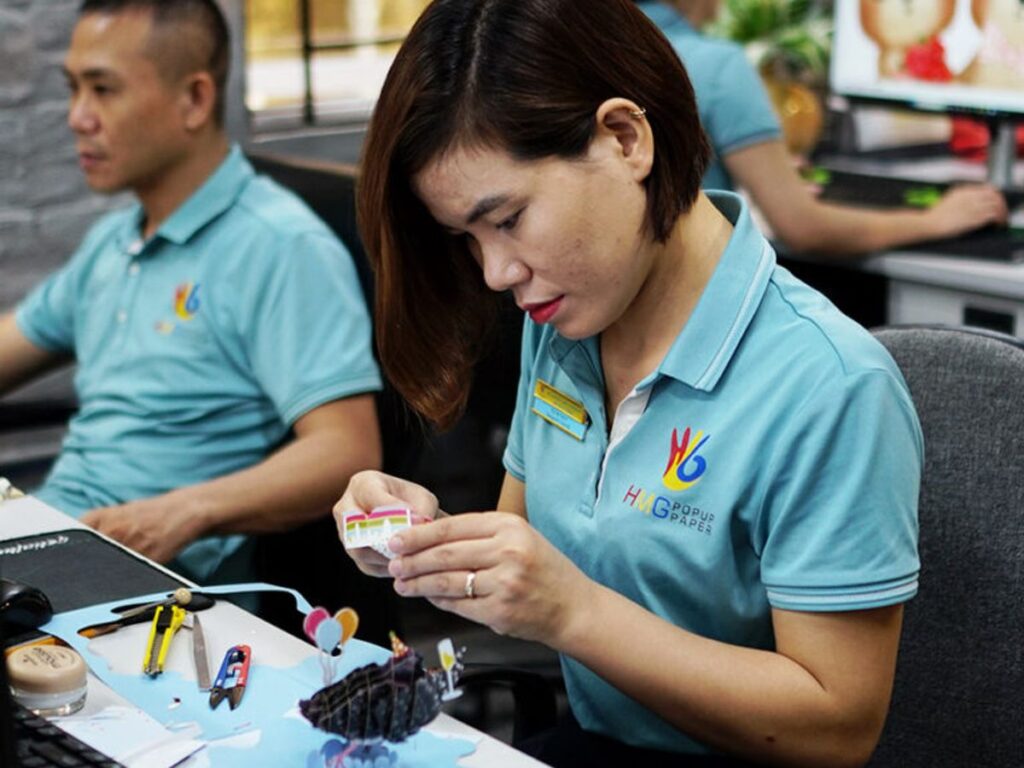
Handmade refers to products that require a significant number of manual steps
A proper certification assesses several core elements. It confirms transparency in the production process, requiring documented steps that show how the product is made. It evaluates the skill level of artisans since craftsmanship is central to product authenticity. It also checks labor standards to ensure the work environment is ethical. Another essential component is the traceability of materials which provides clarity on how raw materials enter the production chain. Independent verification is necessary to avoid self-claimed labels that lack credibility.
Rising Consumer Demand for Authentic Craft Goods
Consumer demand for authentic craft goods is increasing rapidly. People around the world are shifting toward products that are handcrafted, sustainable and ethically produced. This trend is visible in gifting categories, home decor, stationery handmade products and lifestyle craft goods that highlight cultural identity and artisan skill.
Buyers today are more skeptical and want clear confirmation that a product is not just positioned as handmade but actually made through hand processes. Their question is simple but important. They want reassurance that the item reflects genuine human skill rather than industrial fabrication.
Social media platforms such as TikTok, Instagram, Etsy and Pinterest amplify this expectation. Visual storytelling encourages customers to appreciate the origin of a product. Videos showing artisans at work or behind the scenes production are now part of the purchase decision. This environment increases the pressure on brands to offer authenticity that can be proven rather than claimed.
Why Brands Lose Margins Without Proper Certification
Brands without Handmade Certification face significant financial and market challenges. One of the biggest threats is unfair competition from false handmade products and low cost industrial goods that mimic craft aesthetics. These products undercut genuine artisan producers and make it difficult for real handcrafted suppliers to justify fair pricing.
When a brand cannot prove its handmade status, it struggles to raise prices or even maintain current prices. Customers become hesitant to pay premium rates for unverified craft claims, which leads to long term margin compression.
Brand positioning is also affected. Without certification, a product may be perceived as mass market even if it contains genuine craftsmanship. With certification, however, the product gains legitimacy. This increases perceived value, supports premium pricing and provides handcrafted product differentiation in competitive markets.
Industries such as textiles, art paper, wood craft and mixed material gift products face serious challenges from mass produced imitations. These imitations erode long term brand trust, reduce customer lifetime value and weaken margins year after year.
How Handmade Certification Protects Product Authenticity
Handmade Certification protects authenticity through a structured review system that includes auditing, documentation and supply chain examination. These processes ensure that every part of the craft chain is validated and traceable.
There are four central pillars that support authenticity protection. The first pillar is process verification which confirms that a significant percentage of production is executed manually. The second pillar is material verification which ensures materials used are suitable for craft production such as natural fibers, handmade paper, hand carved wood or traditional fabrics. The third pillar is skill validation which evaluates the technical ability of artisans and the craftsmanship involved. The fourth pillar is production transparency which examines the workshop environment, workflow organization and overall production conditions.
These pillars help prevent counterfeit handmade products, reduce mislabeling and promote transparency across the market. They also give brands a supplier transparency report that can be shared with buyers to strengthen trust.
Positive Impact on Wholesale and Export Pricing
Handmade Certification positively impacts wholesale pricing and export negotiation. It allows brands to raise wholesale prices without triggering resistance because certified products have recognized value and documented authenticity. Buyers are more comfortable investing in higher priced products when they know that craftsmanship is real.
Certified handmade products open doors to premium markets and regions that require compliance with ethical or artisan standards. In many categories, certified handmade items achieve margins that are twenty to one hundred fifty percent higher compared to uncertified craft products.
Psychological pricing also plays a role. Buyers perceive certified goods as more valuable and more trustworthy which directly increases their willingness to pay. Certification changes how a product is positioned, shifting it from commodity-based pricing to value-based pricing. This directly affects the value of artisanal labor B2B because the skill and time of artisans are finally recognized and rewarded at fair market rates.
Additional Benefits for Brand Positioning
Handmade Certification strengthens brand stories by providing credible narratives about craftsmanship and community. It improves competitive differentiation against industrial brands and helps businesses attract B2B buyers who specialize in ethical, fair trade or artisan categories.

Handmade Certification strengthens brand stories by providing credible narratives about craftsmanship and community
It aligns the brand with corporate social responsibility principles and environmental sustainability. These values are increasingly required by international retailers, distributors and importers. Certification also supports long term supply chain health because it encourages responsible production methods that are stable and transparent.
Overview of the Most Recognized Handmade Certifications
There are several highly respected handmade certifications around the world. The WFTO Handmade Standard focuses on fair trade, labor protection and artisan empowerment. Craftmark from India provides a rigorous evaluation of traditional craft processes and cultural authenticity. Fair Trade Certified includes a specific module for handmade goods that validates ethical production and craft-based labor. The Artisan Alliance Standards offer globally recognized guidelines for artisan production quality.
Many regions also have local certifications. Southeast Asia, Latin America and parts of Africa maintain artisan verification programs that highlight cultural craft techniques and protect community labor traditions.
Each certification has a different level of complexity. Some require extensive documentation while others require on site audits and long term compliance review.
How to Evaluate Whether Your Product Line Qualifies
Businesses can assess their eligibility through a structured checklist. The first consideration is the percentage of manual work in the production process. The second is the number of steps that cannot be replaced by machines. The third is the level of artisan training or recognition. The fourth is whether the handcraft operation can scale in a sustainable way. The fifth is the presence of traditional elements in techniques or materials.
Brands that want certification should develop a detailed Standard Operating Procedure that explains every production step. Clear documentation helps auditors understand the workflow and increases the likelihood of meeting requirements.
Typical Steps to Obtain Handmade Certification
The process of obtaining certification usually follows five stages. The first stage is self assessment where the brand evaluates its own craft practices. The second stage is preparing documentation such as process descriptions, artisan profiles and material sources. The third stage is submitting the application to the certification body. The fourth stage is an on site or virtual audit where the evaluator examines the workshop and production flow. The final stage is annual maintenance and renewal of certification.
Most certifications take between thirty and one hundred twenty days to complete. Costs vary depending on the organization and the size of the production facility. During audits, evaluators focus particularly on the percentage of hand operations and the skill of the artisan team.
Common Mistakes Brands Make When Pursuing Certification
Many brands face challenges because they cannot provide evidence of their handcraft workflow. Others confuse hand assembled products with fully handmade products and fail to meet standards. Some businesses lack traceability for materials which causes delays in approval. Many do not store photographs or videos that demonstrate handcraft steps. Others rely too heavily on marketing narratives without having real documentation. Some brands also forget to calculate the ongoing annual cost required to maintain certification.
Should Every Brand Pursue Handmade Certification
Not every business needs Handmade Certification. It is ideal for companies in handcrafted gifts, artisan decor, traditional textiles, handmade paper products and cultural craft items. It is not suitable for mass market manufacturers that rely heavily on machinery or require strict uniformity.
When a product does not qualify as handmade, brands can consider alternative certifications that still add trust value such as ethical sourcing or fair trade certification.
Conclusion
Handmade Certification is more than a label. It is a strategic tool that protects authenticity, strengthens brand credibility and secures healthy margins. It provides proof that craftsmanship is real and gives businesses the confidence to price their products based on true value.
Brands that want to grow in international markets should treat certification as part of their long term operating standard. Companies can download the relevant checklist, request guidance from certification bodies or conduct an internal assessment to determine whether their production line is ready for audit.
Read more: How to Vette a Wholesale Supplier for Ethical Hand Assembly
 3D Facility Virtual Tour
AUTHOR
Hana Phung
As the co-founder and Vice Director of HMG, Hanna Phung stands at the forefront of a decade-long journey dedicated to bringing joy through innovative pop-up card designs. With her visionary leadership, Hanna, alongside her accomplished team, has crafted ...Read More
BLOG
Maybe You Are Interested
3D Mother and Child Card – A Meaningful Gift for Mother
There are moments when you want to say something truly meaningful to your mom—but somehow,...
Read more...Unlock Savings: Your Guide to Finding the Best Business Cards Wholesale Deals in 2026
Thinking about getting new business cards? In 2026, just handing out a plain old rectangle...
Read more...Finding the Best Business Cards Supplier for Your Company
Picking the right business cards supplier can feel like a big deal. You want something...
Read more...Why Leading Brands are Choosing Bespoke 3D Popup Card this March 8th
Every year, as International Women’s Day approaches, my desk is filled with orders for 3D...
Read more...Creating Shareable Moments: How Pop-Up Products Drive Social Media Traffic
Social media has become one of the most powerful drivers of product discovery, brand awareness,...
Read more...Sourcing Resilience: Navigating Supply Chain Stability for Seasonal Gifts
Seasonal gifts present a unique set of sourcing challenges that differ significantly from year-round product...
Read more...