


Industry Insights, Inspiration Hub
The New Art of Paper: Why 3D Paper Art is Replacing Plastic Décor
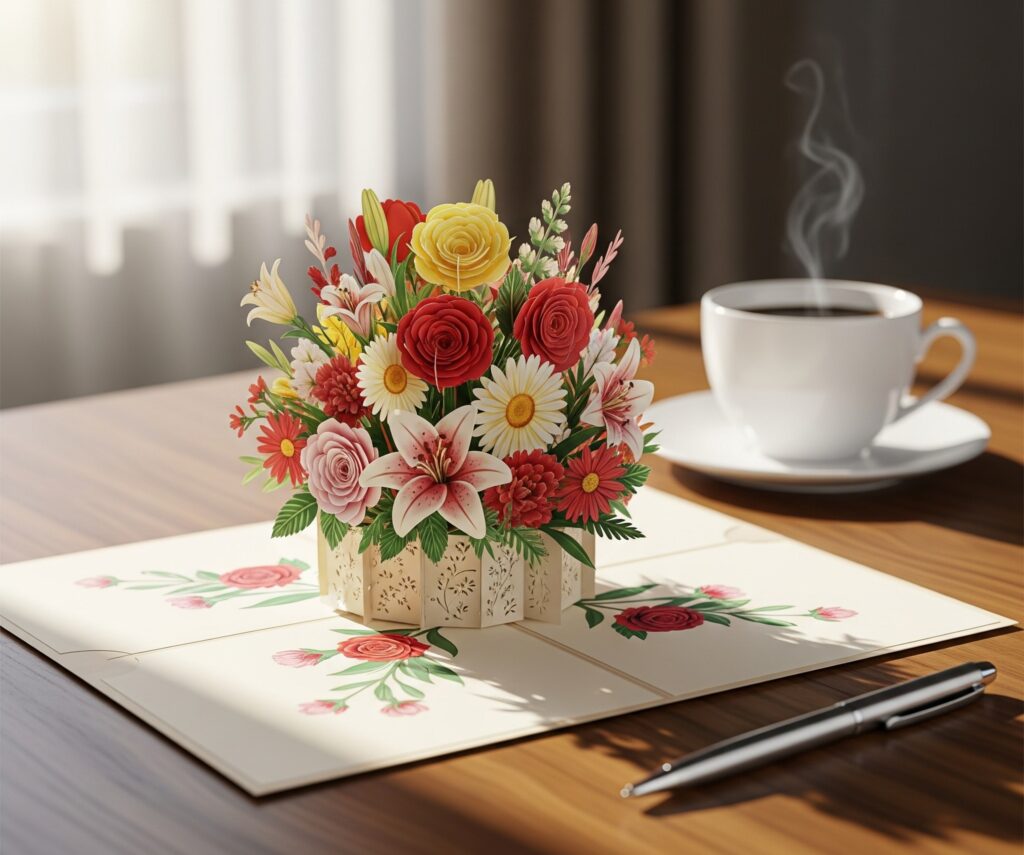
In recent years, the rise of paper-based décor has transformed the worlds of retail, visual merchandising, and event staging. What was once a niche artistic medium has now become a strategic design choice for global brands seeking sustainable, lightweight, and visually sophisticated display solutions. Many companies have begun replacing plastic décor with three-dimensional paper installations because paper offers a more eco-conscious material profile, better flexibility during design development, and an elevated artistic aesthetic that aligns with modern brand storytelling.
This shift is not merely a trend. It is a response to deeper forces shaping the market, including the demand for sustainability, the need to reduce logistics costs, and the pressure of meeting ESG expectations. Retailers are realizing that décor choices represent more than visual creativity; they also influence carbon footprint, supply chain transparency, and waste impact.
This article will offer a comprehensive exploration of the environmental advantages of three-dimensional paper décor, its artistic strengths, its cost efficiency, its durability, and the reasons why it is becoming the preferred material for modern brands.
The Shift Toward Sustainable Retail Décor
Consumer awareness regarding display materials has changed dramatically. Shoppers increasingly expect brands to take responsibility for the environmental impact of their visual merchandising. As a result, many global brands are moving toward fiber-based décor as a way to reduce environmental footprint while maintaining high aesthetic standards.
New regulatory frameworks accelerate this shift. EU packaging rules and updated US sustainability standards encourage or require brands to reduce plastic use and report environmental metrics. Plastic décor, which previously dominated retail spaces due to its low cost and longevity, is now viewed as problematic because of its difficulty to recycle, high end-of-life processing costs, and the risk of generating microplastics.
These pressures have opened space for a new era of creativity built on paper innovation.
What Exactly Is 3D Paper Art?
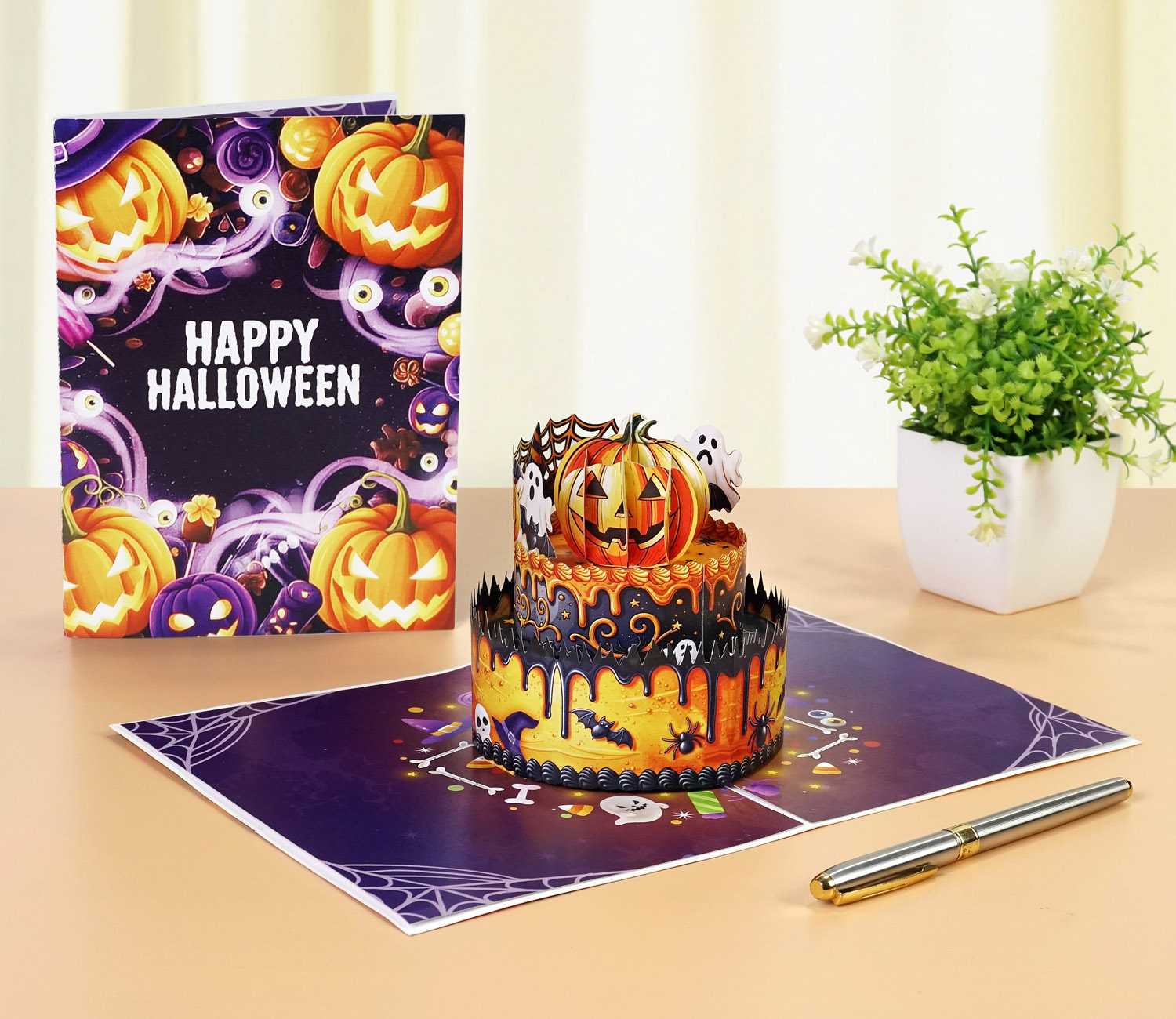
Three-dimensional paper art refers to the creation of structural, sculptural, and volumetric forms using paper-based materials. In décor applications, this includes paper sculptures, layered paper structures, modular display systems, engineered shapes, and intricate elements created from advanced paper techniques. Many of the most exciting 3D paper art trends today are built on precision cuts, complex folds, and visual layering that add dimension and artistic value.
What Exactly Is 3D Paper Art?
Technologies such as die cutting, laser cutting, scoring, structural folding, and multi-layer paper construction make these designs possible. Compared to plastic molding, 3D paper art achieves a level of softness, warmth, and handcrafted detail that is difficult for rigid plastic forms to match unless substantial investment is made in specialized molds.
Retailers use three-dimensional paper décor for window displays, seasonal installations, storytelling props, and thematic zones where immersive visuals are needed.
Environmental Advantages of 3D Paper Art Over Plastic
The environmental benefits of paper compared to plastic become clear through life cycle assessment. From the sourcing of fibers to end-of-life disposal, paper consistently presents a lower carbon footprint. Paper materials are recyclable, biodegradable, and often produced from responsibly managed forests. Many three-dimensional displays are crafted using certified fibers and high recycled content, making them compatible with sustainability reporting.
Plastic décor persists in landfills for centuries and becomes nearly impossible to recycle when adhesives, coatings, or composite layers are added. Paper décor, on the other hand, naturally decomposes without releasing long-term pollutants. The light weight of paper also decreases logistics emissions, which is particularly valuable for global retail rollouts that involve long-distance transportation.
Design Flexibility: Why Paper Outperforms Plastic for Creativity
Designers frequently prefer paper because of its creative potential. Paper allows freeform cutting, sculpting, folding, and shaping without the need for costly molds. Because no rigid tooling is required, teams can experiment with prototypes quickly and refine forms without financial penalties.
Color, texture, and surface treatment can be applied to paper in ways that make each piece feel handcrafted. The combination of layering, negative space, and sculptural forms results in depth and visual softness that plastic rarely achieves. The artistic vocabulary of paper is also expanding with innovations such as kirigami architecture, which blends intricate cuts with structural folding to create visually complex shapes ideal for premium storytelling environments.
These qualities make paper the perfect material for seasonal displays that require frequent updates and new themes.
Cost Efficiency: Lower Tooling and Faster Production Cycles
Paper décor eliminates the need for injection molds, silicone forms, or thermal shaping equipment that plastic requires. This reduction in production complexity translates into lower manufacturing costs, especially for seasonal campaigns or short decor cycles. Because paper décor can be produced quickly and adapted easily, it matches the fast pace of retail environments.
Logistics costs are also lower because paper weighs less than plastic. Brands benefit from reduced air freight, sea freight, and last-mile delivery costs. Plastic often requires high minimum order quantities due to tooling expenses, which makes it less suitable for décor programs that change every thirty to sixty days.
Durability for Retail Use Cases
Modern three-dimensional paper décor is engineered for strength. Structural folds, reinforced seams, and premium-grade paperboard significantly improve durability. In indoor retail environments, these engineered forms often perform as well as plastic, particularly when the display duration is limited to thirty to ninety days.
Advancements in materials include water-resistant coatings that maintain recyclability and fiber integrity. These coatings allow paper structures to remain stable under ambient humidity or during extended indoor installations.
How 3D Paper Art Enhances Retail Storytelling
Paper enables soft edges, intricate layers, delicate silhouettes, and artisanal textures that elevate brand storytelling. Through techniques like shadow layering and volumetric construction, paper installations create a multidimensional visual narrative that resonates emotionally with customers.
Luxury, fashion, cosmetic, and home décor retailers increasingly prefer paper for its warmth and ability to evoke artistic craftsmanship. Global campaigns using paper installations demonstrate how immersive, inviting, and emotionally expressive paper décor can be compared to plastic alternatives.
The evolution of paper engineering for set design continues to redefine how brands create atmosphere and thematic storytelling within their stores.
Consumer Perception: Why Paper Feels Premium
Material psychology plays a key role in the adoption of paper décor. Paper is widely associated with craftsmanship, artistry, and handmade elegance. In contrast, plastic is often perceived as mass-produced and industrial, which can undermine a brand’s premium image.

Consumer Perception: Why Paper Feels Premium
Three-dimensional paper décor communicates sustainability, creativity, and uniqueness. Its tactile qualities and visual softness align with modern consumer expectations for authenticity and human-centered design. Many shoppers are drawn to décor that looks handcrafted and intentional, especially within brands that emphasize artistic identity and sustainable values.
Practical Retail Benefits: Weight, Assembly, and Safety
Paper décor offers undeniable practical advantages. Its lightweight nature makes handling, installation, and ceiling suspension significantly safer. Visual merchandising teams appreciate quick assembly that relies on slot systems, folding mechanisms, and pre-engineered structural components.
Paper also eliminates the risks associated with sharp plastic edges or breakable parts. Faster set-up saves labor hours and allows teams to re-theme spaces with minimal downtime.
Use Cases Where Paper Clearly Replaces Plastic
Paper has proven its effectiveness across a wide range of retail applications. Window displays for holidays and seasonal campaigns benefit greatly from three-dimensional paper elements. Product highlight zones often use paper structures to add depth and emotional resonance. Paper flowers, leaves, animals, and architectural forms provide volume and sculptural beauty without the environmental burden of plastic.
Photo spots and event décor also leverage paper’s versatility. Because retail décor is typically produced in large volumes and updated frequently, paper offers an ideal balance of cost and creative freedom.
When Plastic Still Makes Sense
Although paper is replacing plastic in many indoor scenarios, there are still use cases where plastic remains appropriate. Outdoor installations exposed to rain and direct sunlight require weather-resistant materials. Long-term displays that need to last for several years may also rely on plastic’s durability.
Props subjected to high physical stress or heavy loading perform better when constructed from rigid plastic. However, these cases represent a minority of retail applications, and most indoor décor can transition to paper without compromise.
How to Source High-Quality 3D Paper Art
Retail buyers should carefully evaluate suppliers to ensure high-quality and sustainable paper décor. The type of paper should be clearly identified along with certifications such as FSC or recycled content. Engineering capabilities, including die cutting, laser cutting, and structural design, are essential for producing professional results.
Suppliers with experience in luxury retail tend to understand the aesthetic and technical expectations for premium installations. Recyclability rates and carbon reporting should be transparent.
Considerations such as ink types, coatings, and adhesives play a crucial role in maintaining recyclability. Prototyping is vital to ensure structural stability, especially for hanging elements or large-scale installations.
Conclusion
Paper is replacing plastic décor because it offers a powerful combination of environmental responsibility, creative flexibility, lower production costs, and elevated aesthetic value. Three-dimensional paper art is not simply a display material. It is a visual language that embodies the future of sustainable branding.
Retailers looking to modernize their visual storytelling can benefit greatly from adopting paper-based installations. The next step is to request catalogues, review sample pieces, or download checklists designed to help evaluate suppliers of premium paper décor.
Read more: Paper vs. Plastic: The True Carbon Footprint of Retail Décor and Displays


 3D Facility Virtual Tour
I am no longer certain the place you’re getting your information, but great topic. I must spend some time learning more or figuring out more. Thanks for wonderful information I was searching for this info for my mission.