



Industry Insights, Inspiration Hub
Paper vs. Plastic: The True Carbon Footprint of Retail Décor and Displays

In recent years, retailers around the world have placed far greater emphasis on choosing materials for décor and visual displays that align with sustainability commitments. As brands work to meet higher environmental expectations, the conversation about paper and plastic has become increasingly polarized. Many people instinctively assume that paper is always the greener material and that plastic is inherently damaging. However, the real environmental impact is more complex, and the true carbon footprint depends on the full life cycle of each material rather than surface-level assumptions.
This article is designed to help retailers, visual merchandisers and buyers of sustainable wholesale home products understand the nuanced environmental impact behind the materials they choose. By taking a cradle-to-grave perspective, we examine every key phase including raw material extraction, production processes, printing technologies, logistics, usage conditions, end-of-life treatment and the realistic recyclability of each option. Only by evaluating the entire life cycle can retailers implement eco-friendly retail display ideas that genuinely reduce emissions and avoid accidental greenwashing.
Why Carbon Footprint Matters in Retail Décor and Displays
Carbon footprint has become a central metric in sustainability reporting because it directly supports ESG compliance, brand transparency and shifting consumer expectations. As shoppers gravitate toward brands that demonstrate environmental responsibility, retailers must ensure that their décor choices do not contradict their sustainability messages. The retail industry is unique because most décor is seasonal, produced in large volumes, and used over short life cycles. This means that even small deviations in material selection can multiply into significant carbon emissions.
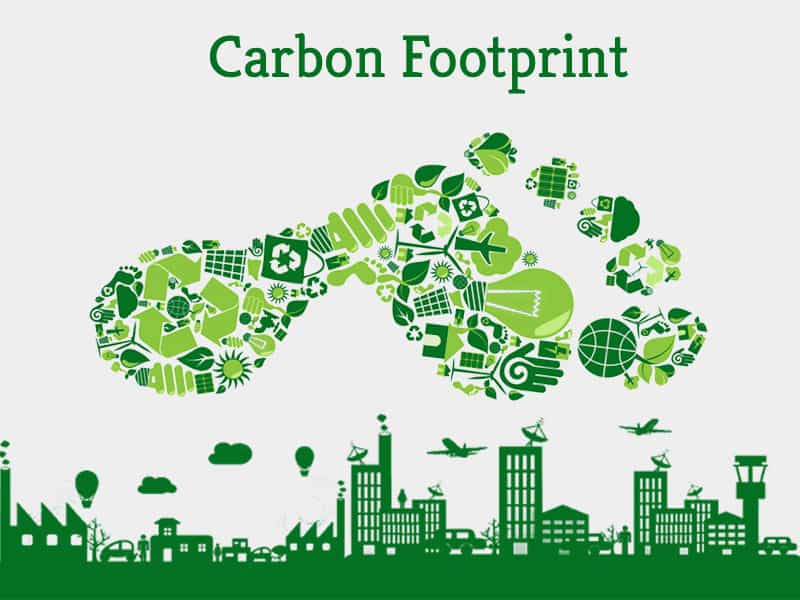
Why Carbon Footprint Matters in Retail Décor and Displays
When carbon footprint calculations are inaccurate or when retailers choose materials based on assumptions rather than data, the result is increased waste, higher ESG costs and a heightened risk of greenwashing. On the other hand, accurate carbon measurement empowers brands to reduce emissions, optimize shipping efficiency, make informed sourcing decisions and more easily secure certifications such as FSC or Recycled Content. This clarity also helps brands choose biodegradable décor materials that truly minimize environmental harm.
Understanding Life Cycle Assessment for Retail Materials
A Life Cycle Assessment, commonly known as LCA, is the gold standard methodology for comparing the environmental impact of different materials. Rather than focusing on a single attribute such as recyclability, LCA evaluates performance across four major stages: raw material sourcing, manufacturing, transportation and end-of-life processing. These stages reveal how different inputs including energy consumption, chemical usage, material weight, durability and realistic recycling outcomes influence total carbon emissions.
The debate between paper and plastic is often clouded by emotional perceptions, yet LCA demonstrates that neither material is inherently good or bad. Instead, each material performs differently depending on use case and finishing requirements. Retailers who want to build eco-friendly retail display ideas must rely on LCA data rather than aesthetic preferences or market assumptions.
Carbon Footprint of Paper Décor Materials
Paper décor typically originates from cellulose fibers sourced from responsibly managed forests, recycled paper waste or newer fiber-based solutions that are fully compostable. These renewable sources make paper a strong candidate for biodegradable décor materials, especially when the fiber content comes from recycled or certified sources.
However, papermaking is a resource-intensive industry that uses significant volumes of water and energy. The pulping process can also require chemicals depending on the type of paper being manufactured. Additional carbon emissions arise from printing, coating, lamination and various finishing techniques that alter the recyclability of the final product. For instance, paper that is laminated with plastic film or coated with UV varnish becomes noticeably harder to recycle.
Paper décor remains appealing because it is widely recyclable, naturally biodegradable and generally lighter in weight, giving it advantages in logistics. Nevertheless, when paper is not recycled or when it requires high-energy bleaching processes, its carbon footprint may rise significantly. This is why retailers must consider not only the raw material but also the production pathway when sourcing paper-based décor.
Carbon Footprint of Plastic Décor Materials
Plastic décor materials originate from petroleum-based polymers such as PVC, PET or PP, or from newer bio-based plastics created from agricultural sources. The extraction and refining of petroleum produce substantial carbon emissions, and additional CO₂ is generated during polymerization and molding processes.
Despite their heavy early-stage emissions, plastics offer strengths that cannot be ignored. Plastic décor is highly durable, capable of enduring repeated use and resistant to moisture or outdoor conditions. These characteristics make plastic suitable for long-term fixtures and displays that remain in use for extended periods. In certain cases, this durability allows plastic to achieve a lower carbon footprint over multiple cycles compared to paper décor that must be replaced often.
The drawback lies in recyclability. Plastics used for retail décor, especially flexible films, PVC sheets or composite laminates, are difficult to sort and recycle effectively. Although PET and PP can be recycled, they are less commonly used for short-term retail décor. Retailers must therefore assess whether their décor is intended for single-use or long-term application before choosing plastic.
The Role of Material Weight and Durability
Material weight is closely linked to logistics emissions, making the weight-to-carbon ratio one of the most important metrics in retail décor sustainability. Paper is lightweight but not always durable, which leads to more frequent replacement and ultimately higher resource usage across multiple campaigns. Plastic, on the other hand, can achieve equal or greater structural strength using much less material, resulting in lower transport emissions and fewer replacements.
In scenarios where décor must be suspended at height or produced at large scale, plastic often requires fewer grams of material and therefore yields a lower carbon footprint. Retailers implementing eco-friendly retail display ideas should recognize that durability and performance play as important a role as recyclability in determining environmental impact.
Printing and Finishing: The Hidden Carbon Costs
Printing and finishing are often overlooked contributors to carbon emissions, yet they typically represent between twenty and forty percent of the total footprint. Paper décor can be printed with water-based or soy-based inks, which are relatively low impact. However, when paper is laminated with polypropylene film, coated with UV varnish or treated with glitter effects, the décor becomes challenging to recycle and significantly increases its carbon footprint.
Plastic décor can be printed directly or through UV curing systems, but these processes often release volatile organic compounds that negatively impact both environmental and workplace health. These VOC emissions can overshadow the low material usage of plastic, meaning that finishing methods sometimes create more emissions than the substrate itself.
For retailers striving to choose biodegradable décor materials, understanding the footprint of coatings and printing is just as important as choosing the base material.
Recyclability: Theory versus Reality
There is a significant difference between what is technically recyclable and what is actually recycled in real-world waste systems. Paper is widely recyclable, yet décor treated with surface coatings becomes non-recyclable. Similarly, paper displays that contain nylon thread, glitter or mixed material adhesives are frequently rejected by recycling facilities.
Plastics face an even larger gap between recyclability and reality. PET and PP have established recycling streams, but retail décor often uses PVC or multi-layered composites that are difficult to sort and uneconomical to recycle. Global recycling rates show that paper is recycled more frequently, but these rates vary by country and infrastructure availability. When retailers choose the wrong finishing method, even sustainable wholesale home products can end up in landfills.
This disparity highlights the importance of designing décor with end-of-life outcomes in mind rather than relying solely on theoretical recyclability.
End-of-Life Emissions
Paper biodegrades naturally and typically releases CO₂ rather than methane when processed under controlled industrial composting conditions. This gives paper an advantage in controlled waste environments. Recycled paper also significantly reduces emissions in future cycles, cutting carbon impact by thirty to seventy percent depending on fiber quality and mixing ratios.
Plastic presents a greater challenge. It persists for hundreds of years, contributes to microplastic pollution and, when incinerated, produces high levels of CO₂ along with potentially harmful gases. These emissions accumulate quickly because retail décor tends to be used for short periods, making end-of-life management a significant factor in overall carbon calculations.
The Importance of Certified Sustainable Paper
Certifications such as FSC and PEFC ensure that paper originates from responsibly managed forests. These certifications confirm that the fiber sourcing process supports sustainable forestry, protects biodiversity and maintains the natural carbon cycle. Recycled-content certifications further reduce emissions by increasing the proportion of reused fiber in the supply chain.
The Importance of Certified Sustainable Paper
Retailers should require documentation of these certifications as part of their supplier evaluation process. Certified sourcing not only reduces carbon emissions but also enhances brand credibility and reassures customers that the décor aligns with environmental values.
The Myth of Plastic Equals Bad and Paper Equals Good
The belief that paper is always the greener choice and plastic the harmful one is overly simplistic. Paper manufacturing consumes large quantities of water and energy, meaning that its carbon footprint can rise sharply when not made from recycled or certified fibers. Plastic, while associated with pollution, can achieve lower emissions when made from recycled content or when used across multiple long-term cycles.
Creating sustainability in retail décor requires a circular approach that prioritizes reduction, reuse and responsible recycling. Retailers must avoid choosing materials based on stereotypes and instead evaluate whether a material genuinely supports a circular, low-carbon system.
How Retailers Can Reduce the Carbon Footprint of Their Décor
Retailers can significantly reduce carbon emissions by selecting materials based on LCA data rather than assumptions. Suppliers should be asked to provide transparent carbon reporting for each material option, enabling more grounded decision-making.
Using recycled paper or post-consumer recycled plastics helps reduce resource extraction. Minimizing finishing techniques that hinder recyclability, such as laminations or glitter coatings, also ensures that materials can re-enter the circular economy. Consolidated shipping further reduces transportation emissions, while designing décor that can be reused across multiple campaigns helps maintain a low carbon cycle.
For brands seeking eco-friendly retail display ideas, understanding how to balance material choice, durability and finishing can lead to substantial carbon savings.
Supplier Evaluation: What Retail Buyers Should Ask
Retail buyers should have a standardized checklist of questions when assessing whether a décor material qualifies for sustainable sourcing. Key inquiries include whether the material is certified, how durable it is under typical usage conditions and how many reuse cycles it can support. Retailers should also ask about printing methods, potential VOC emissions, and the realistic recycling rate for the specific material in the target market.
Suppliers should be able to provide carbon footprint reports for each order, clarifying the total emissions generated from production to delivery. Transparency at every step is essential for preventing greenwashing and ensuring that décor choices support sustainability claims. These evaluations also help retailers confirm whether a material or product is eligible for certification, ensuring regulatory compliance and credible environmental storytelling.
Conclusion
The comparison between paper and plastic only becomes meaningful when evaluated through a full life cycle assessment. Each material has strengths and drawbacks depending on the application, durability requirements and finishing processes involved. Paper is often ideal for short-term use, while plastic is suitable for long-lasting installations that justify its initial carbon cost.
Retailers seeking truly sustainable solutions must rely on carbon data rather than assumptions. By integrating certified sourcing, transparent supplier reporting and thoughtful material design, brands can minimize emissions and adopt décor solutions that genuinely align with sustainability goals. Retailers who want to implement eco-friendly retail display ideas should prioritize materials based on actual environmental performance rather than conventional beliefs.
Read more: Why ‘Handmade’ Certification Matters: Securing Product Authenticity and Margins
 3D Facility Virtual Tour
AUTHOR
Hana Phung
As the co-founder and Vice Director of HMG, Hanna Phung stands at the forefront of a decade-long journey dedicated to bringing joy through innovative pop-up card designs. With her visionary leadership, Hanna, alongside her accomplished team, has crafted ...Read More
BLOG
Maybe You Are Interested
Bringing the Story of Vietnamese Craftsmanship to an International Trade Fair in Hong Kong
A small pop-up card, light enough to sit in the palm of a hand, yet...
Read more...Appreciation Into a Memorable Brand Experience with 3D Popup Card
As the year comes to a close, businesses naturally begin looking back at what they...
Read more...HMG Celebrates Children’s Day 2026 with Gifts for Employees’ Children
At HMG, we believe that a caring workplace extends beyond our employees to the families...
Read more...HMG Spring–Summer 2026 Strava Running Challenge
At HMG, we believe that a healthy team is the foundation of a thriving organization....
Read more...HMG Annual Health Check 2026 – Investing in Employee Well-being for Sustainable Growth
At HMG, we believe that our people are the foundation of every achievement and the...
Read more...HMG Year End Party 2025 – Celebrating Our Journey, Inspiring the Future
As another remarkable year came to a close, HMG proudly hosted its Year End Party...
Read more...