



Industry Insights, Inspiration Hub
How to Vette a Pop Up Card Wholesale Supplier for Ethical Hand Assembly
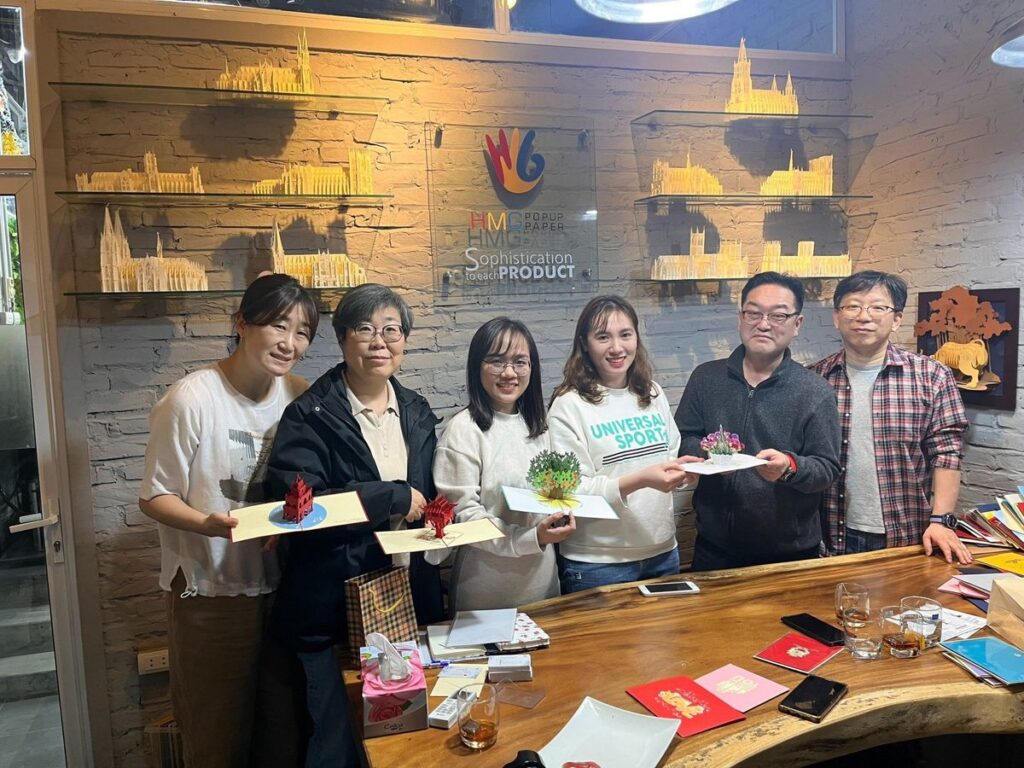
Ethical hand assembly refers to a production approach in which most work is performed by human hands under conditions that respect workers, protect their rights and ensure transparency across the supply chain. For brands operating in the global market, especially those sourcing from the growing Vietnam craft supply chain, ethical hand assembly has become one of the strongest signals of credibility. When a supplier protects labor, invests in safe facilities and builds a culture of responsible craftsmanship, the final products often carry higher emotional and commercial value. This level of transparency helps B2B buyers build trust with their own customers, particularly in sectors that rely heavily on authenticity such as sustainable gift suppliers and fair trade paper products wholesale.
However, the market is crowded with wholesale suppliers whose practices vary widely. Not every supplier advertising handmade or hand assembled goods adheres to ethical standards. Some may operate with poor supervision, questionable labor conditions, or inconsistent quality that puts a brand at risk. This article presents a comprehensive ethical sourcing checklist for B2B buyers, helping them evaluate suppliers with clarity and confidence. The checklist is designed to prevent misunderstandings and protect your supply chain from non compliant operations.
What Ethical Hand Assembly Really Means
Ethical hand assembly is a production method that prioritizes manual craftsmanship while ensuring that the working environment remains legal, safe and fair. It involves a clear commitment to non exploitation and responsible labor practices. Suppliers that follow ethical hand assembly standards take accountability for worker well being, quality consistency and transparent sourcing.
What Ethical Hand Assembly Really Means
What Ethical Hand Assembly Really Means
Key criteria include a safe and sanitary workplace where workers have adequate lighting, ventilation and comfort. They must receive fair compensation, predictable working hours and protective equipment whenever necessary. Ethical hand assembly also requires proper skills training so that workers can produce consistently high quality goods that reflect true craftsmanship.
Transparency in material sourcing is another important principle. Ethical suppliers reveal where their raw materials come from and how they are processed. This aligns with current buyer expectations in sectors such as sustainable gift suppliers and fair trade paper products wholesale, where transparency creates long term trust.
Brands benefit greatly from these standards because ethical hand assembled goods often have better finishing, stronger emotional appeal and stronger alignment with ESG principles. When a company prioritizes ethics, its products often resonate more strongly with B2B partners and end consumers.
Why Vetting a Wholesale Supplier Matters
Choosing the wrong wholesale supplier can create serious consequences. Brands may face legal risks if labor violations occur in the supply chain. Poor working conditions may trigger media backlash and harm the brand’s reputation. Inconsistent quality can lead to product defects, customer complaints and financial losses. Delivery delays caused by inefficient manual processes can also interrupt business operations.
Vetting becomes even more important when sourcing from hand assembly suppliers. Handcrafted production depends heavily on the skill, well being and consistency of individual workers rather than automated machinery. If the workforce is not treated well or the production environment lacks structure, the end product becomes unpredictable. A thorough vetting process ensures that your suppliers represent your values and do not jeopardize your reputation or the reliability of your supply chain.
Pre Vetting Research: What to Check Before Contacting the Supplier
Before reaching out to a potential supplier, buyers should invest time in preliminary research. This step helps filter out unreliable partners and speeds up the evaluation process.
The first step is reviewing the supplier’s website and company profile. Look for clear information about their production capabilities, hand assembly processes and facility locations. Compare the professionalism of their presentation with established businesses in the vietnam craft supply chain.
Examine B2B reviews, customer testimonials and any case studies available. Consistent positive feedback suggests stable operations. Next, verify whether the supplier holds any certifications related to ethical practices, ESG alignment or labor law compliance. Such documentation is a strong indicator of reliability.
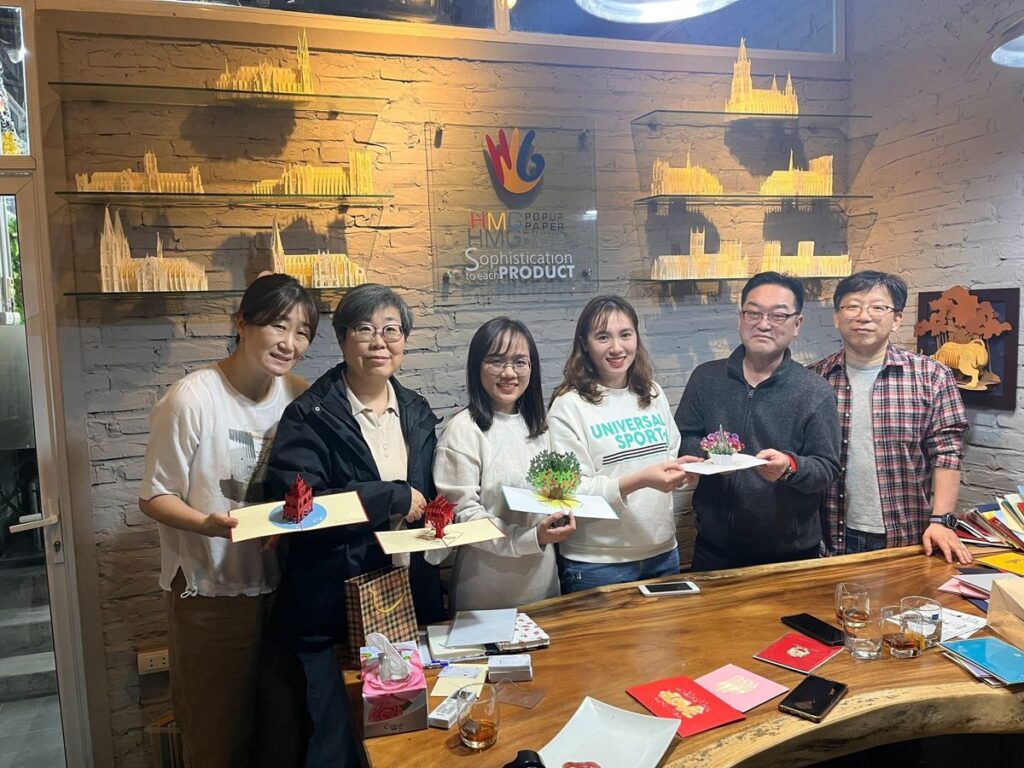
What to Check Before Contacting the Supplier
Study photos and videos of their workshops or assembly areas. Transparent suppliers usually showcase real working environments rather than staged images. Finally, research the company’s history, production scale and export markets to ensure their experience aligns with your needs.
Onboarding Questions: What to Ask the Supplier Directly
Once initial research suggests the supplier may be suitable, engage in direct communication to gather more detailed information.
Begin by asking about the number of workers involved in hand assembly and the level of training they receive. Skilled artisans play a major role in consistency, especially in categories like fair trade paper products wholesale where craftsmanship determines product value.
Clarify working conditions by asking about base wages, daily working hours, overtime rules and the availability of protective equipment. Responsible suppliers will answer these clearly and confidently.
Ask about quality control procedures for hand assembled goods. Ethical hand assembly requires strict QC steps to ensure uniformity despite manual production. Request information about whether the supplier has a well defined code of conduct and how it is implemented in daily operations.
Discuss production capacity to understand their ability to scale without compromising ethics. Finally, inquire about the methods they use to evaluate raw material suppliers. Ethical suppliers often monitor their entire chain, which is crucial when working with sustainable gift suppliers and buyers who rely on clean sourcing narratives.
Factory Audit Checklist: On Site or Virtual Visit
A factory audit allows buyers to verify whether actual conditions match the supplier’s statements. This can be done in person or through a virtual tour.
Observe the overall work environment. Check lighting, natural airflow and cleanliness. A well maintained space demonstrates respect for workers. Assess safety levels by looking for protective gear, visible safety instructions and fire safety preparations.
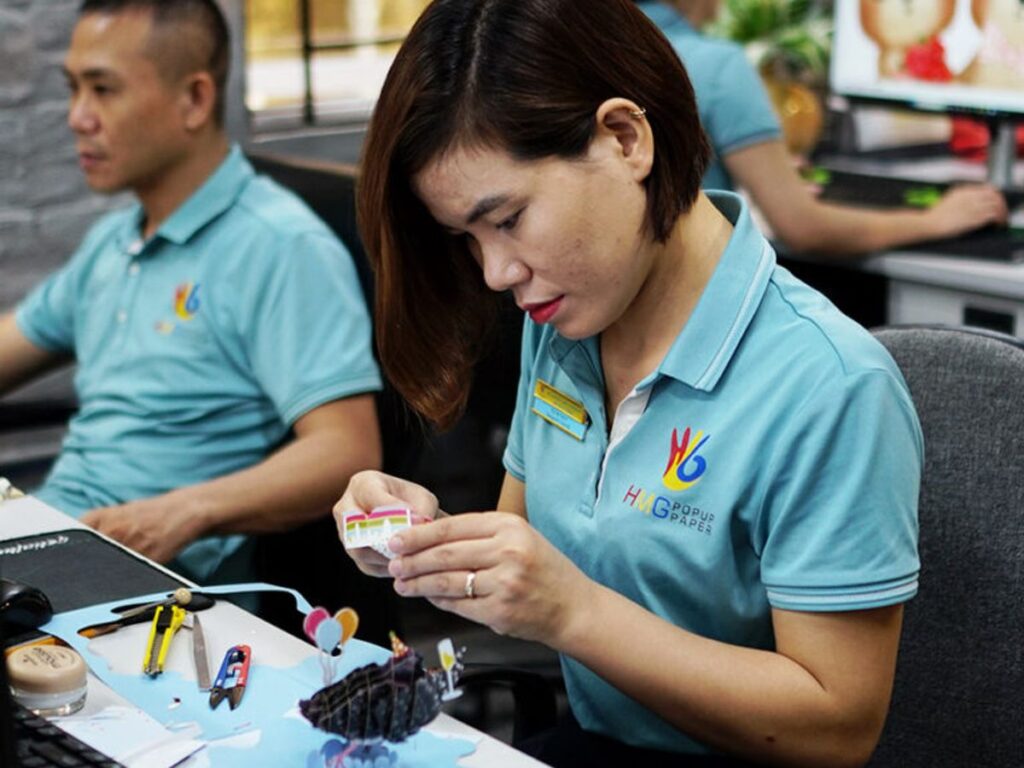
Watch the hand assembly process carefully. Determine whether it matches the description provided earlier. Take note of how workers handle materials and whether their movements suggest proper training. Confirm the number of workers in the facility to verify staffing honesty.
If possible, exchange a few words with the workers to gain authentic insights into their daily experience. Transparency is a crucial factor so evaluate how openly the supplier allows access to all production areas. Restricted visibility can indicate hidden problems.
Ethical Compliance Documents to Request
To validate the supplier’s claims, request specific documents related to ethical compliance.
Ask for labor compliance certifications that verify adherence to local labor laws. Request social responsibility audit reports such as BSCI or WRAP. These audits provide detailed findings about working conditions and ethical performance.
Request a written code of conduct that guides the supplier’s ethical behavior. Training documents can help you understand how workers learn assembly techniques. Additionally, request supply chain documentation that shows the origin of raw materials and their handling process. This is particularly important for buyers focusing on the ethical sourcing checklist B2B.
Quality Assurance Checklist for Hand Assembled Goods
Quality assurance is critical when products are made by hand. Begin by checking the consistency between multiple samples. Well trained artisans produce pieces that look and function similarly even without automation.
Evaluate the craftsmanship by examining finishing, precision and durability. Study the supplier’s internal QC process. Ethical suppliers usually have layer after layer of inspection to ensure flawless output.
Inspect packaging quality and request defect rate data from their most recent production batches. This helps assess their reliability. Also ask for sample products taken from real production runs rather than polished marketing samples.
Conclusion
Vetting a pop up card wholesale supplier for ethical hand assembly is not only a responsible action but also a strategic investment in brand reputation. Ethical production strengthens trust, improves product quality and prevents long term risks. By turning this article’s checklist into an operational standard, businesses can reduce uncertainty and build supply chains that align with global expectations of sustainability and fairness.
Buyers are encouraged to download the full checklist, request further guidance or schedule an audit consultation to ensure that every sourcing decision supports both quality and ethics.
 3D Facility Virtual Tour
AUTHOR
Hana Phung
As the co-founder and Vice Director of HMG, Hanna Phung stands at the forefront of a decade-long journey dedicated to bringing joy through innovative pop-up card designs. With her visionary leadership, Hanna, alongside her accomplished team, has crafted ...Read More
BLOG
Maybe You Are Interested
Bringing the Story of Vietnamese Craftsmanship to an International Trade Fair in Hong Kong
A small pop-up card, light enough to sit in the palm of a hand, yet...
Read more...Appreciation Into a Memorable Brand Experience with 3D Popup Card
As the year comes to a close, businesses naturally begin looking back at what they...
Read more...HMG Celebrates Children’s Day 2026 with Gifts for Employees’ Children
At HMG, we believe that a caring workplace extends beyond our employees to the families...
Read more...HMG Spring–Summer 2026 Strava Running Challenge
At HMG, we believe that a healthy team is the foundation of a thriving organization....
Read more...HMG Annual Health Check 2026 – Investing in Employee Well-being for Sustainable Growth
At HMG, we believe that our people are the foundation of every achievement and the...
Read more...HMG Year End Party 2025 – Celebrating Our Journey, Inspiring the Future
As another remarkable year came to a close, HMG proudly hosted its Year End Party...
Read more...